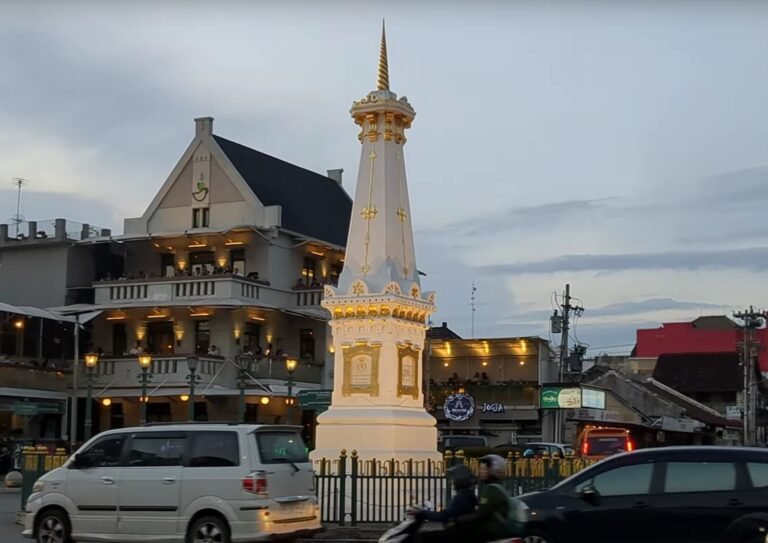
Yogyakarta Tours. Many first-time visitors to Yogyakarta only spend their holiday walking along Malioboro Street, shopping for souvenirs, and taking photos near the iconic Tugu Monument. While Malioboro is charming, it represents only a tiny part of what Yogyakarta truly offers. This cultural capital of Java is actually one of Southeast Asia’s richest heritage destinations.
In reality, Yogyakarta is surrounded by historical temples, royal palaces, art villages, museums, and scenic countryside landscapes. Even more interesting, only about one hour away lies Magelang, a neighboring city famous for Borobudur Temple — the world’s largest Buddhist monument and a UNESCO World Heritage Site.
With proper planning, you can enjoy a complete travel experience in just three days and two nights. From exploring royal heritage and museums to watching traditional dance performances and riding a vintage village tour, this itinerary will help international tourists maximize their visit without feeling rushed.
Below is a detailed 3 Days 2 Nights Yogyakarta vacation itinerary designed specifically for foreign travelers who want culture, scenery, and authentic Indonesian experiences in one trip.
Read More: Gembira Loka Entrance Ticket Prices Updated 2026, Travelers Must Visit!
Day 1 Arrival, City Heritage Tour, and Borobudur Countryside Retreat
Your journey begins with an early morning international arrival in Jakarta (Soekarno–Hatta International Airport). After immigration and boarding a domestic flight, you will fly to Yogyakarta International Airport in Kulon Progo. The flight typically takes about one hour.
Once you land, expect a scenic drive toward the city center. Instead of heading directly to Malioboro, the itinerary starts with culinary exploration. You will travel to GalaRasa Hidangan Nusantara Restaurant, a popular place where visitors can taste authentic Indonesian cuisine in a comfortable setting. This lunch is important because Indonesian food uses rich spices, and it’s a great introduction before cultural touring begins.
After lunch, the first historical destination is Taman Sari Water Castle Village, part of the Yogyakarta Sultanate complex. This former royal garden once served as a bathing complex for the royal family. The architecture blends Javanese and Portuguese influences, making it visually unique and very photogenic.
Next, you continue to Fort Vredeburg Museum, located near the palace and Malioboro area. The museum presents Indonesia’s independence struggle through dioramas and historical artifacts. For international tourists, this stop helps you understand the historical context of Indonesia beyond temples and landscapes.
In the afternoon, you leave Yogyakarta city and head to Magelang. The journey takes about two hours but becomes more relaxing as the urban scenery changes into green rice fields and rural villages.
You will check in at a heritage-style resort near Borobudur (such as Plataran Heritage Borobudur). This accommodation is intentionally chosen because staying near Borobudur offers a much deeper experience than doing a day trip.
After resting, guests usually enjoy late afternoon tea and a welcome massage — a common hospitality tradition in high-end Javanese resorts. In the evening, dinner is served at a restaurant overlooking Borobudur Temple in the distance. Watching sunset colors fade behind jungle hills is often one of the most memorable moments of the trip.
Finally, return to your room and rest early. The next day begins very early.
Day 2 Borobudur Village Adventure, Temple Visit, and Cultural Performance
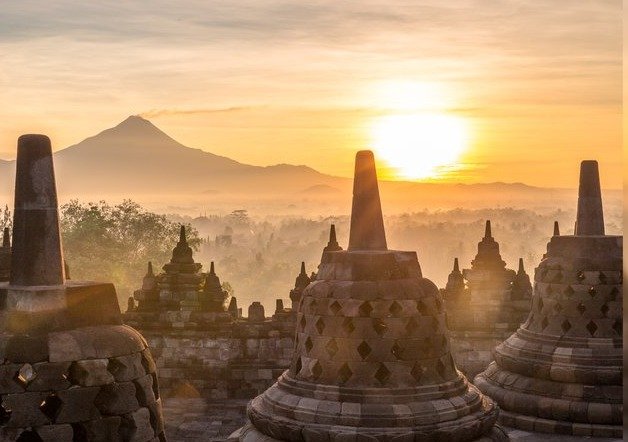
Wake up early because the highlight of the trip starts at sunrise. You will have breakfast at the hotel while enjoying a view of Borobudur Temple and the surrounding mountains. Morning mist often covers the fields, creating a peaceful atmosphere rarely found in busy tourist cities.
After checkout preparation, you begin the Borobudur VW Safari Village Tour. Instead of using a modern car, visitors ride a classic Volkswagen convertible — a popular activity among international travelers. The ride passes through traditional villages, farms, and local homes, allowing you to observe daily life in rural Java.
The first activity is a batik-making workshop at Omah Batik Lumbini. Batik is recognized by UNESCO as an Intangible Cultural Heritage of Humanity. Here, you will learn how locals draw wax patterns on fabric and color them using traditional techniques. Many tourists consider this their favorite hands-on cultural experience in Indonesia.
Next, you stop at a small local snack producer (UMKM Pawon Simbok) to see how traditional crackers called rengginang are made. It’s a simple but authentic cultural encounter and also a chance to buy unique souvenirs.
Afterward, you visit Enam Langit by Plataran, a hilltop viewpoint. From here, visitors can see multiple volcanoes — Mount Merapi, Merbabu, Sumbing, and Sindoro — surrounding Borobudur valley. This location is particularly popular among photographers.
Lunch is served at the same scenic area before continuing to Borobudur Art Village and Museum. This community-based tourism site showcases wood carving, pottery, and traditional painting. Unlike commercial souvenir centers, you can directly meet local artisans.
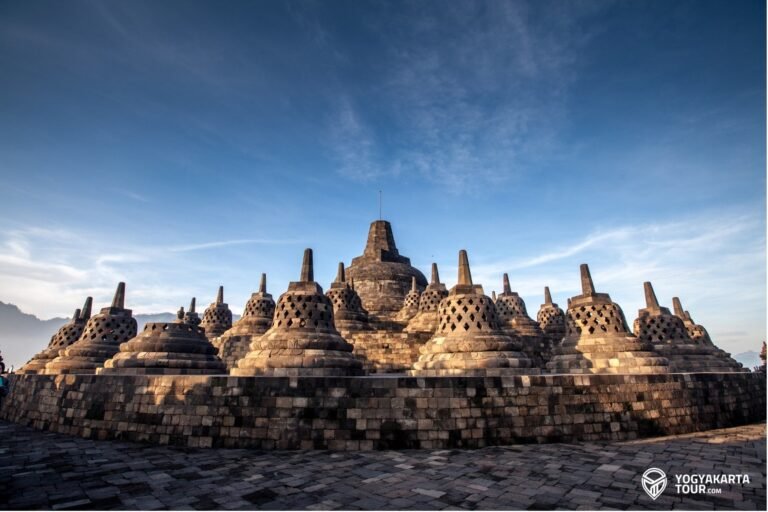
The next destination is the main highlight: Borobudur Temple. Built in the 8th–9th century during the Syailendra Dynasty, the temple is designed as a giant mandala. Walking through its terraces symbolizes the journey from the human world to enlightenment in Buddhist philosophy.
After the temple visit and rest time, you return to Yogyakarta city and check in at a luxury heritage hotel such as Royal Ambarrukmo, a property historically connected to the Yogyakarta royal family.
Early dinner is served before the evening’s grand cultural attraction: the Ramayana Ballet Prambanan. This open-air performance takes place near Prambanan Temple and combines dance, music, and fire effects to narrate the ancient Hindu epic Ramayana. Even travelers unfamiliar with the story usually find it captivating because of the costumes and dramatic choreography.
Return to the hotel around late evening and rest.
Day 3 Royal Culture, Museum Visit, and Departure
Your last day begins with a relaxed breakfast at the hotel. Unlike the previous busy day, this morning allows you to enjoy hotel facilities such as the garden, swimming pool, or short walk around the complex.
After checkout preparation, you will head to Kedhaton Museum inside the Yogyakarta Palace area. This museum displays royal heirlooms, traditional clothing, carriages, and gifts from foreign countries. It gives deeper insight into the living monarchy of Yogyakarta, which still functions culturally and ceremonially today.
Next comes a royal-themed lunch at Bale Raos Restaurant, famous for serving dishes once reserved for the Sultan’s family. Some menus use sweet soy sauce and spices typical of Central Javanese cuisine, which is milder compared to other Indonesian regions.
Before departure, you will stop at a souvenir center to buy batik, silver jewelry, or local snacks like bakpia pastry. This is the best moment to pick up gifts because products in Yogyakarta are generally cheaper than in Bali or Jakarta.
Finally, you head back to Yogyakarta International Airport for your return flight to Jakarta and onward international departure.
Why This Itinerary Works for International Tourists
This itinerary is carefully balanced. Many travelers make the mistake of rushing between temples in a single day, which becomes exhausting. Here, activities are arranged geographically — city heritage first, countryside second, and cultural immersion last.
You also experience multiple aspects of Indonesia:
• Royal history
• Buddhist and Hindu heritage
• Traditional arts
• Village life
• Local cuisine
• Live performance culture
In only three days, visitors understand not just the sights of Yogyakarta, but its living culture.
Travel Tips Before You Go
The best time to visit Yogyakarta is between May and September during the dry season. Rainy months (November–March) are still visitable but may affect sunrise views.
Dress modestly when visiting temples. Shoulders and knees should be covered, and comfortable walking shoes are essential because temple stairs are steep.
Transportation is easiest with a private driver or guided tour because public transportation to Borobudur and Prambanan is limited for foreigners.
Final Thoughts
A Yogyakarta trip is not only about Malioboro shopping streets. Within a short distance, you can explore palaces, museums, ancient temples, art villages, and living traditions that have existed for centuries.
This 3 Days 2 Nights Yogyakarta vacation itinerary offers a complete heritage journey across Yogyakarta and Magelang. Instead of just sightseeing, you actively participate — learning batik, riding through villages, tasting royal cuisine, and watching classical dance.
For international tourists visiting Indonesia for the first time, this route is arguably the best cultural introduction to Java. After finishing the trip, most travelers leave with the same impression: Yogyakarta is not just a destination — it is the soul of Indonesian culture.
Ready to experience the magic of Yogyakarta? Book your unforgettable adventure with Yogyakarta Tour today! Explore the majestic Borobudur Temple, a UNESCO World Heritage Site filled with ancient wonder, and marvel at the stunning Prambanan Temple, the largest Hindu temple complex in Indonesia. Let our expert local guides take you on a seamless and enriching journey through culture, history, and breathtaking views. Reserve your tour now and make your Yogyakarta trip truly memorable!
Read More: A List of Yogyakarta Tourist Attractions That Must Be on Every World Traveler’s Bucket List Updated 2026