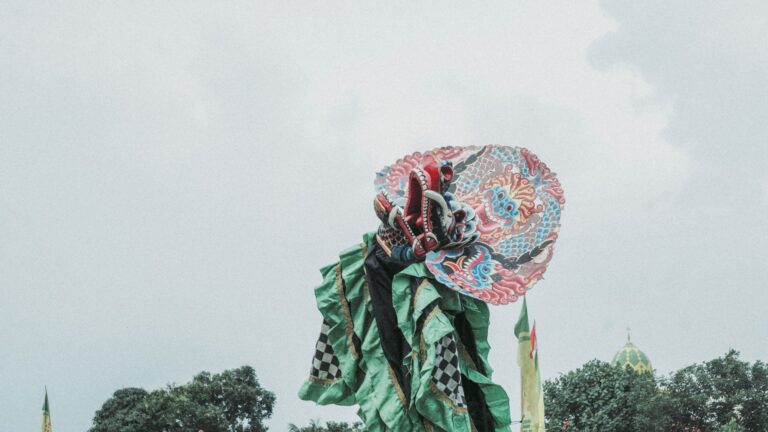
Yogyakarta Tours. There is something unhurried about life in Yogyakarta. Even when the streets are busy, even when scooters weave through traffic like schools of fish, there is a softness to the city’s pulse. People don’t just move here—they flow.
Morning: The Gentle Beginning
Dawn arrives quietly. The call to prayer echoes through neighborhoods of tiled roofs and narrow alleys. In kampungs, mothers sweep front yards with rhythmic strokes, pushing away yesterday’s dust. The smell of fried tempeh and boiling rice drifts into the morning air.
At traditional markets, traders arrange vegetables with almost artistic care. Red chilies shine like scattered rubies. Bundles of spinach sit beside baskets of shallots. Buyers bargain, but rarely with hostility. Transactions are conversations first, commerce second.
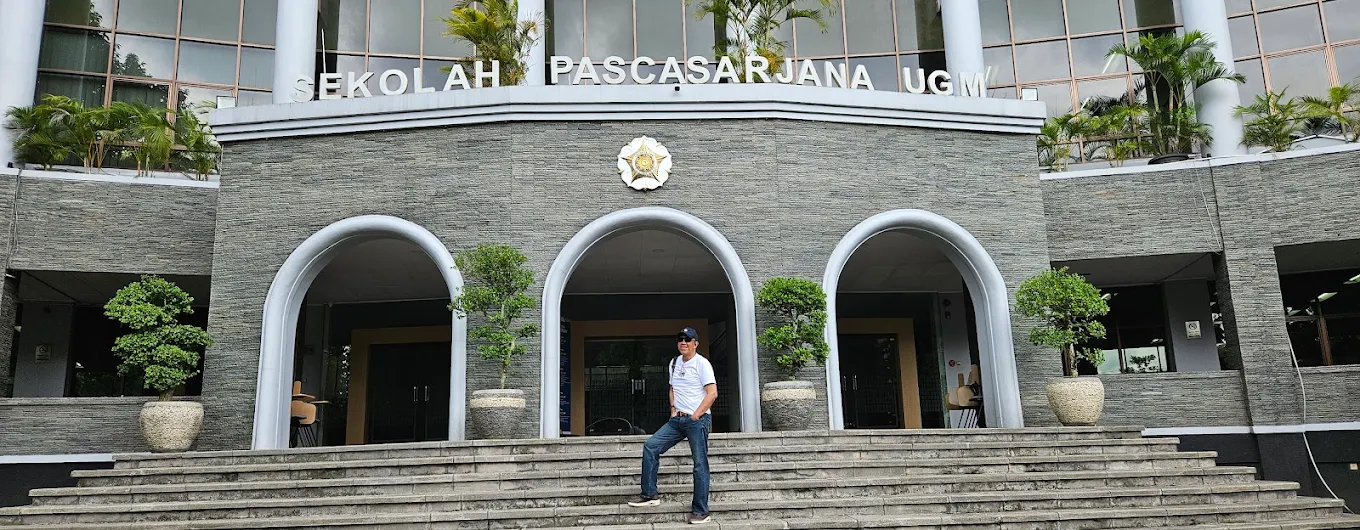
Students in white-and-gray uniforms wait by the roadside for rides to school. University students—Yogyakarta is often called a “student city”—head toward campuses with backpacks slung casually over one shoulder. Many of them study at institutions like Universitas Gadjah Mada, where academic discussions blend with street food breaks and spontaneous debates about culture or politics.
Late Morning: Between Tradition and Routine
As the sun climbs higher, the city grows warmer. Office workers settle into their desks. Small workshops open their doors. In neighborhoods not far from the historic heart of the city, artisans continue traditions passed down through generations.
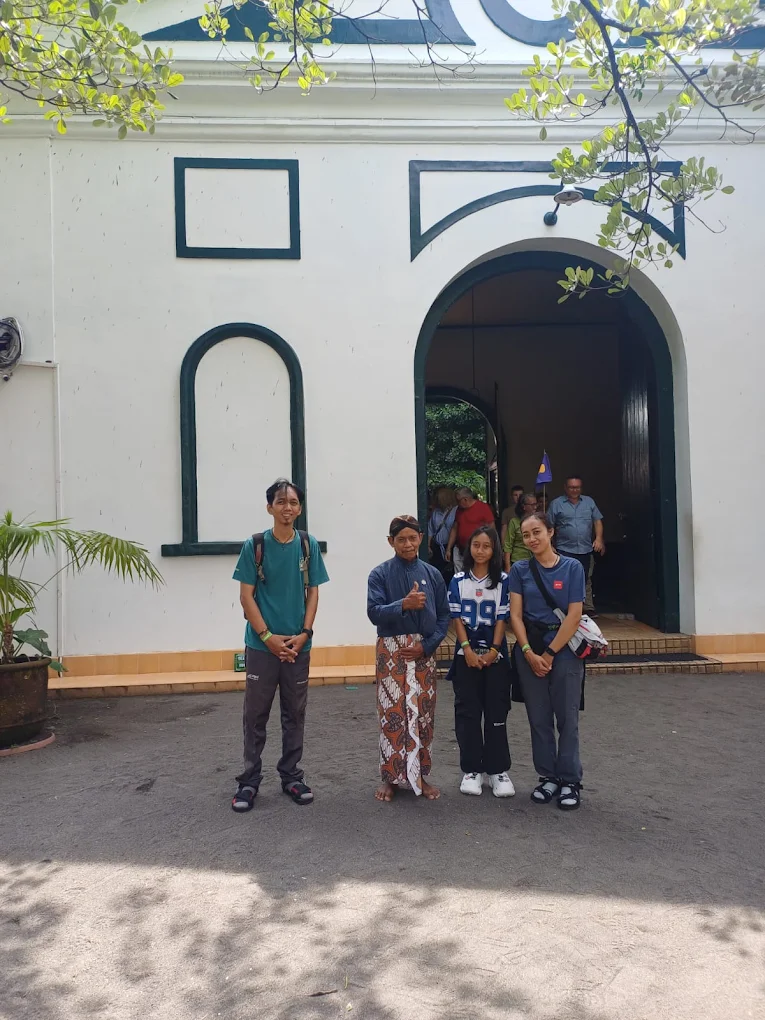
In areas near Kraton Yogyakarta, batik makers sit patiently, applying hot wax with delicate canting tools. The patterns are not rushed. Every line is intentional. Daily life here doesn’t feel detached from history—it feels layered with it.
Motorcycles dominate the streets. They are practical, efficient, and democratic. Students, executives, and street vendors alike navigate the same intersections. Traffic can be chaotic, but it rarely feels aggressive. A quick smile or a small hand gesture is often enough to negotiate right of way.
Afternoon: Heat and Pause
By early afternoon, the tropical sun asserts itself. The city slows down. Street cats stretch lazily in patches of shade. Vendors selling iced drinks do brisk business—es teh, fresh coconut water, colorful syrups poured over shaved ice.
In small warungs, people gather for lunch. A plate of rice, vegetables, sambal, and perhaps ayam goreng is simple but satisfying. Conversations float from table to table: football scores, rising prices, family updates. The tone is rarely dramatic. Yogyakarta has a way of softening even serious discussions.
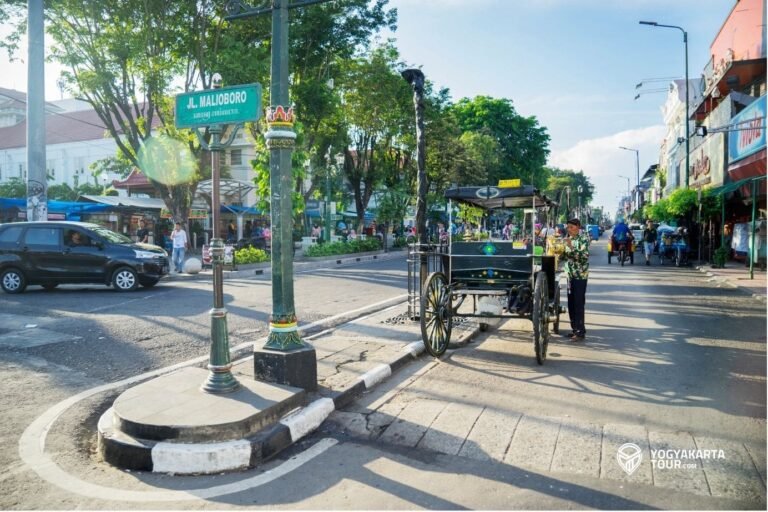
Tourists wander along Malioboro Street, browsing batik shirts and handmade souvenirs. But just a few streets away, everyday life continues unaffected. Laundry hangs from balconies. Children chase each other through narrow lanes. A radio plays dangdut from inside a modest home.
Late Afternoon: Community in Motion
As the heat begins to fade, energy returns. Schoolchildren practice traditional dance in community halls. Young men set up futsal games in empty lots. Elderly residents sit on benches outside their houses, exchanging stories that blur the lines between memory and legend.
The presence of the Yogyakarta Sultanate still shapes the city’s identity. Ceremonies, rituals, and cultural events are not staged performances for tourists alone—they are lived traditions. Even those who rarely visit the palace feel its influence in language, manners, and social norms.
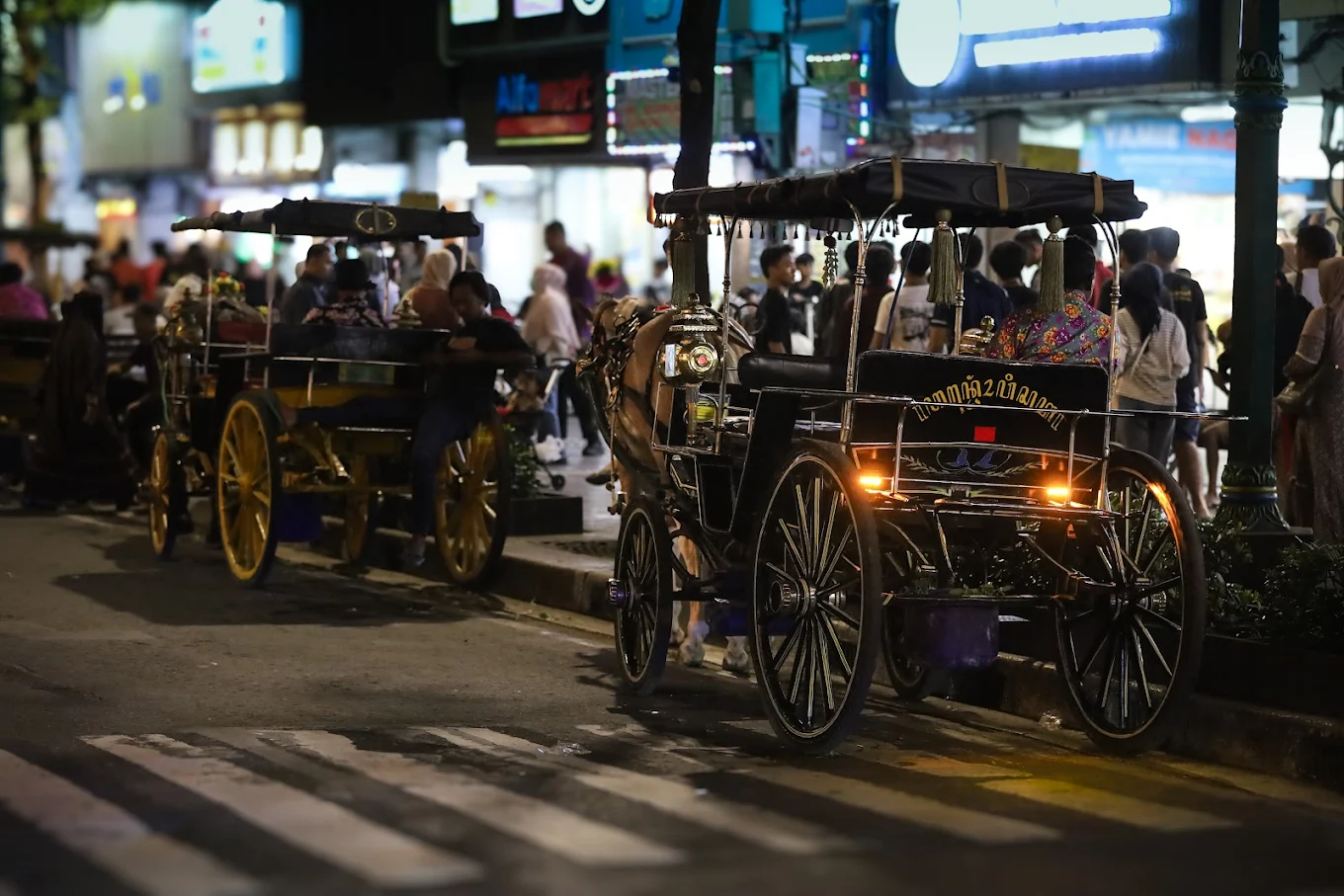
Street musicians appear at intersections, guitars slung across their backs. Their songs drift through open windows and mix with the hum of engines. Some evenings, impromptu art performances take place in courtyards or cafés. Creativity feels accessible here, less guarded.
Evening: Layers of Light
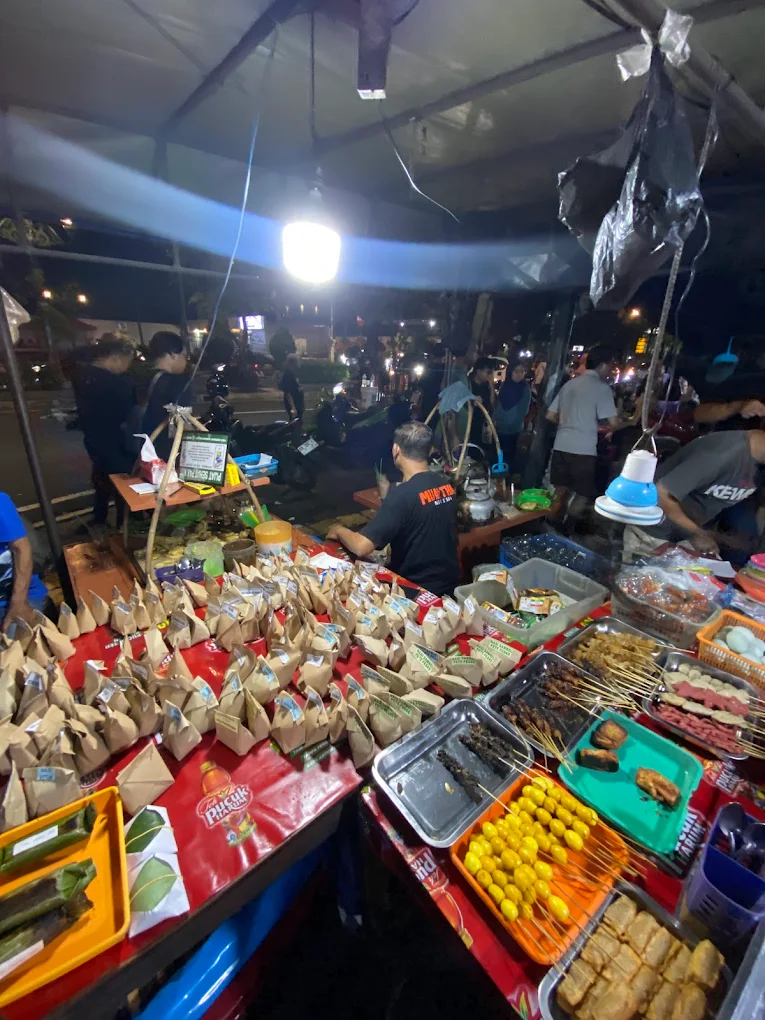
Night falls gradually. Street lamps flicker on. Food stalls multiply along sidewalks, turning ordinary corners into lively gathering spots. The scent of grilled satay and charcoal smoke fills the air.
Families venture out together. Couples stroll slowly, sharing snacks. Groups of students occupy plastic chairs at angkringan stalls, ordering skewers and sweet tea while discussing assignments—or life itself.
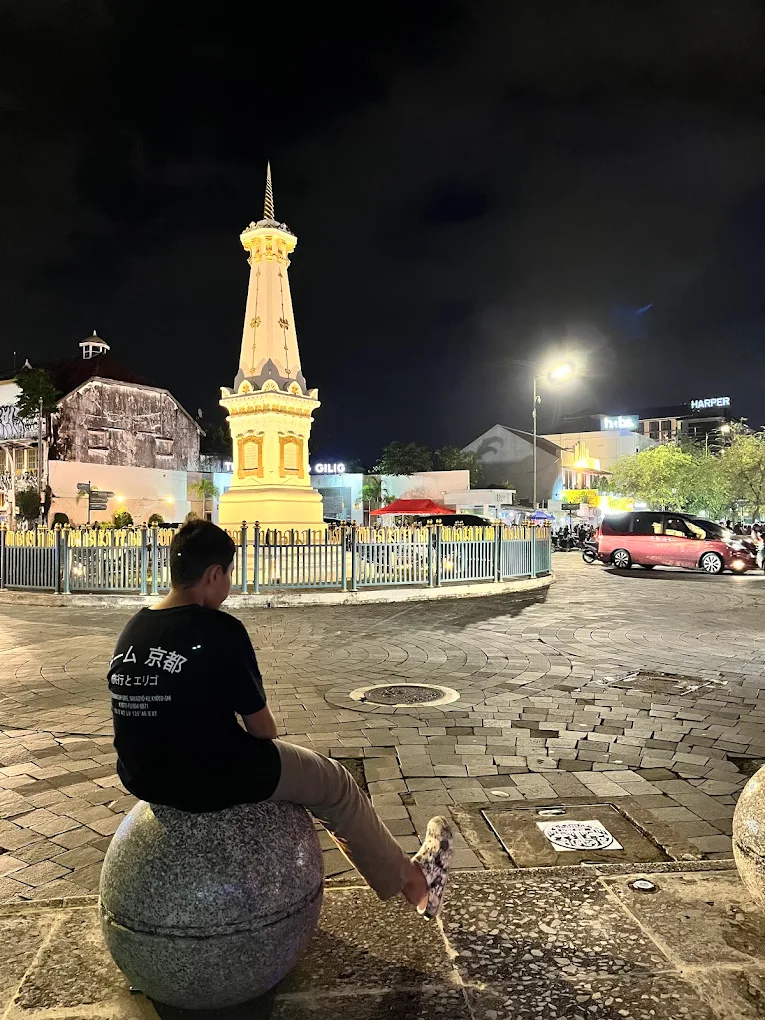
Near Tugu Yogyakarta, people stop to take photos. The monument stands quietly at the center of the city’s crossroads, witnessing decades of change. Around it, traffic circles endlessly, yet the structure remains still—almost symbolic of Yogyakarta itself.
Night: Reflection and Rest
Late at night, when the crowds thin and shutters close, the city exhales. The air becomes cooler. Distant laughter echoes from a final group of friends reluctant to end their evening.
In boarding houses, students review notes under dim lamps. In homes, families gather for brief moments of television before sleep. Somewhere, a gamelan rehearsal continues softly, metallic tones rising and falling like a lullaby.
Yogyakarta at night does not feel intimidating. It feels contemplative. The city seems to encourage thought, art, and quiet resilience.
Daily life in Yogyakarta is not defined by grand events. It is shaped by routines—by morning markets, shared meals, scooter rides, and neighborly conversations. Tradition and modernity coexist without dramatic tension. The old palace walls stand not as relics, but as companions to cafés with Wi-Fi and students with smartphones.
Perhaps that is what makes Yogyakarta special. It does not rush to impress. It simply lives—steadily, warmly, and with a quiet confidence that tomorrow will unfold much like today, with small variations and familiar smiles.