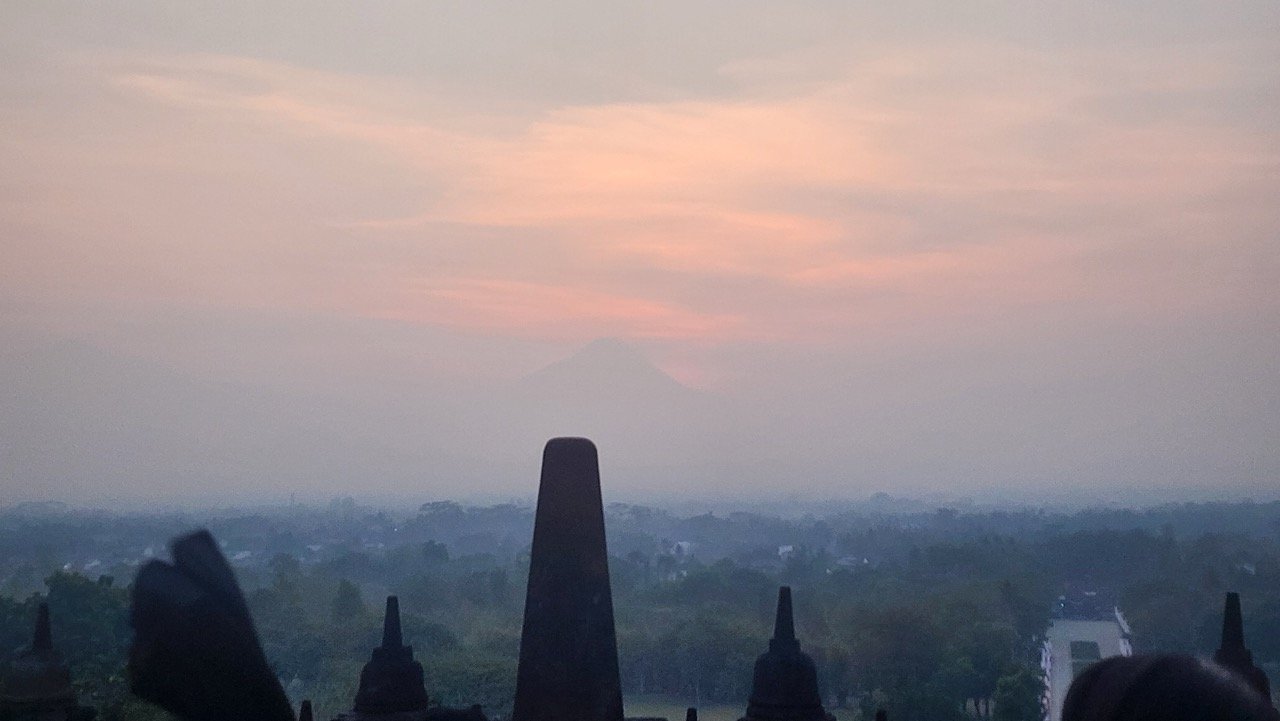
Ramadan changes the rhythm of Yogyakarta, not its temples. A Yogyakarta tour in this month still reaches Borobudur for sunrise and Prambanan before the light goes, but the city around them runs on a different clock. Offices close early, small warungs cover their food, and the streets empty in the afternoon before filling again at dusk for iftar. Knowing what shifts makes the month easy. Not knowing costs you a lunch and a wasted afternoon.
How a Yogyakarta tour changes during Ramadan
Ramadan is the Islamic fasting month. Muslims abstain from food, drink and cigarettes from first light until sunset, then break the fast with iftar. The month moves earlier each year in the Gregorian calendar. For visitors the effect is practical rather than dramatic: mornings are the most productive hours, some offices and shops shorten their days, and the city’s energy moves to the evening.
Temples do not close for the month. Traffic near mosques gets heavy shortly before sunset, and the hour before iftar is the worst time to be on the road. A driver who knows the city will plan around it.
Opening hours at the main sites
Standard hours mostly stay in place, though some sites trim them as the month goes on, especially in the last ten days. Confirm the day before.
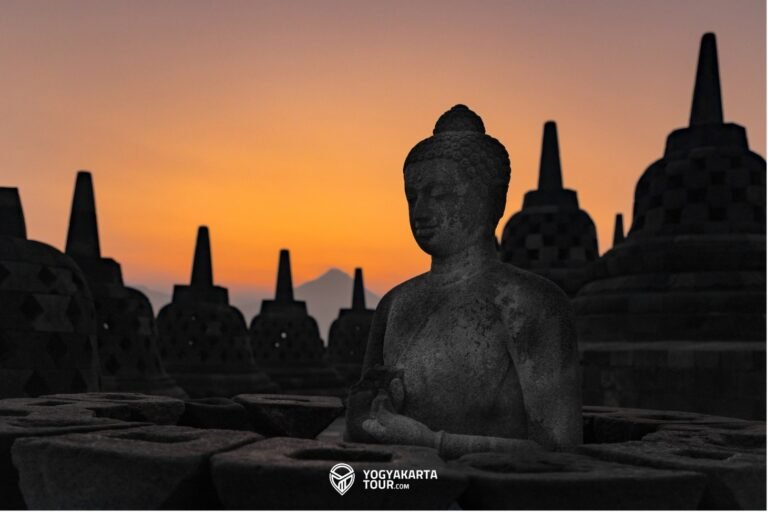
- Borobudur: temple area 06:30–16:30, with a separate sunrise slot around 04:30.
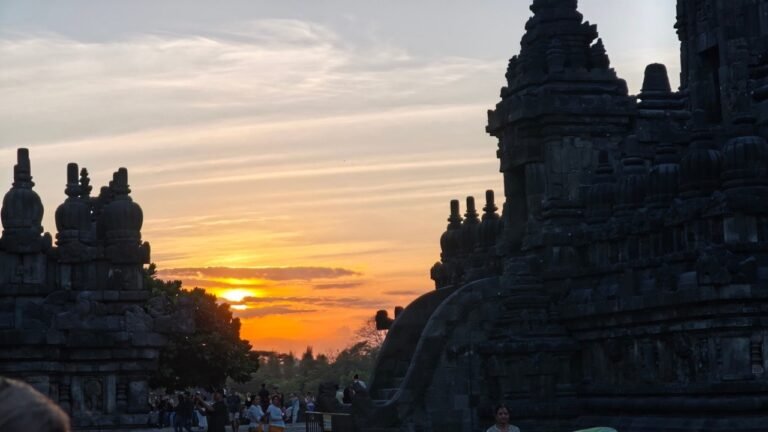
- Prambanan: ticket desk 06:30–17:00, temple area 07:00–17:30. The three main temples are closed on Mondays.
- Kraton: Tuesday to Sunday 08:30–14:30, closed Monday. Ticket from around IDR 15,000.
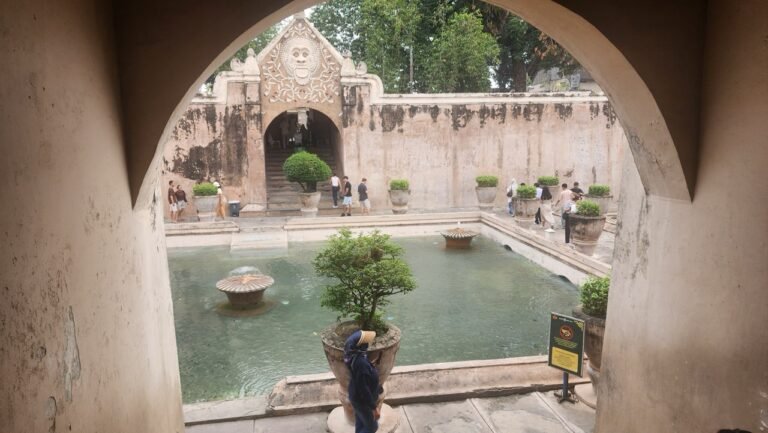
- Taman Sari: 09:00–15:00, last entry 14:30.
The Kraton is the one to watch. Palace ceremonies can close parts of the complex at short notice, and Ramadan has its own round of rituals inside the walls.
Eating and drinking in daylight
Do not expect every warung to serve you at one in the afternoon. Small local restaurants often stay shut or sell takeaway only until dusk, and some cover their windows out of respect for people who are fasting. Tourist restaurants in the centre, hotel kitchens and cafes generally open as usual.
If you eat, eat indoors. Walking down Malioboro with a coffee or a bag of fried snacks draws attention and is rude to the people around you. Carry water, but drink it out of sight of a mosque or a food stall. Nobody will confront you. They will simply notice.
Sunrise trips are the exception. A 04:00 departure means breakfast is a box from the hotel, eaten in the car before first light.
Idul Fitri and the days around it
The fast ends with Idul Fitri, the biggest holiday of the Indonesian year. For a few days the country effectively stops. Offices close, many family businesses shut, and millions of people travel home, which fills trains, flights and roads. Some attractions and restaurants close for a day or more around the holiday itself.
If your dates overlap, book transport and hotels well ahead and keep the first two days light. The city recovers quickly and the week after Idul Fitri is one of the quietest of the year, with the temples almost to yourself.
Kraton ceremonies and palace life
The Kraton keeps a full ritual calendar through Ramadan. Some ceremonies are open to visitors with the normal ticket, others are closed, and the palace may shorten visiting hours with little warning. Ask at the ticket desk or at your hotel on the morning you plan to go, and treat a closed gate as a reason to walk to Taman Sari instead of a wasted trip.
Dress for the palace: shoulders and knees covered, no beachwear, and a sarong if you are in shorts. The same rule applies at Borobudur and Prambanan, where a sarong is usually included with the ticket.
Etiquette that makes the month easier
- Do not eat, drink or smoke in the street during daylight.
- Wear sleeves and trousers or a skirt that covers the knee.
- Ask before photographing anyone at prayer or breaking the fast at a stall.
- Accept an iftar invitation if one comes. It is the friendliest hour of the day.
- Keep your voice down in the hour before sunset, when people are tired and hungry.
None of this is difficult, and none of it is enforced. It is the difference between being a guest and being a nuisance, and it is noticed.
Planning your days around the fast
Start early. A sunrise trip to Borobudur leaves the hotel around 03:30 and puts you back in the city before the heat and before the afternoon slowdown. Use midday for the Kraton or a museum, rest between 14:00 and 16:00, and go out again at dusk.
Malioboro is best after 17:00, and the food stalls around Alun-Alun Kidul fill up in the evening. The Ramayana Ballet at Prambanan runs Tuesday, Thursday and Saturday, 19:30–21:00, indoors at the Trimurti theatre from November to April. Dinner after the show is normal during Ramadan.
Booking a Yogyakarta tour in Ramadan
Prices do not jump for the month. A Borobudur sunrise tour starts at USD 90, sunrise with cycling and Prambanan from USD 138, and Prambanan with the ballet and dinner from USD 147. Drivers adjust pickup times to avoid the iftar crush, and a private car is worth more than usual because public transport thins out in the late afternoon.
Browse the Yogyakarta tours on the main site, or compare fixed itineraries on the Yogyakarta tour packages page, then ask for a schedule built around the fast. If the month is new to you, the guide to the best time to visit Yogyakarta explains how Ramadan sits against the dry and wet seasons.
Frequently asked questions
Can non-Muslims visit Yogyakarta during Ramadan?
Yes. Temples, hotels, restaurants and tours all operate through the month. The main difference is a quieter daytime and a busier evening.
Will restaurants serve lunch during the day?
Hotels, cafes and restaurants aimed at visitors usually do. Small local warungs often close or sell takeaway only until dusk, so plan lunch around the centre.
Are Borobudur and Prambanan open during Idul Fitri?
Usually, but hours can change around the holiday and some businesses close for a day or two. Check the day before and avoid scheduling Idul Fitri as your only temple day.
Is the sunrise tour still worth it in Ramadan?
Yes, and it suits the month well. You are at Borobudur for the 04:30 slot, back in the city by mid-morning, and resting during the slowest part of the day.
What should I wear?
Cover shoulders and knees, at the temples and in the street. A light scarf and trousers are enough, and a sarong is usually handed out at the temple entrance.
When is the best time to eat out?
After sunset. Iftar starts around dusk and the food streets stay busy until late. Malioboro is at its best after 17:00.