The wet season runs from November to March, and it does not shut Yogyakarta down. Temples keep their hours, the Kraton opens as usual, and the Ramayana Ballet moves indoors. What changes is visibility, one cave, and the shape of your day. This guide covers what rain does to a yogyakarta tour, what to move and what to keep, and why the low season is a good time to be here.
What November to March actually feels like
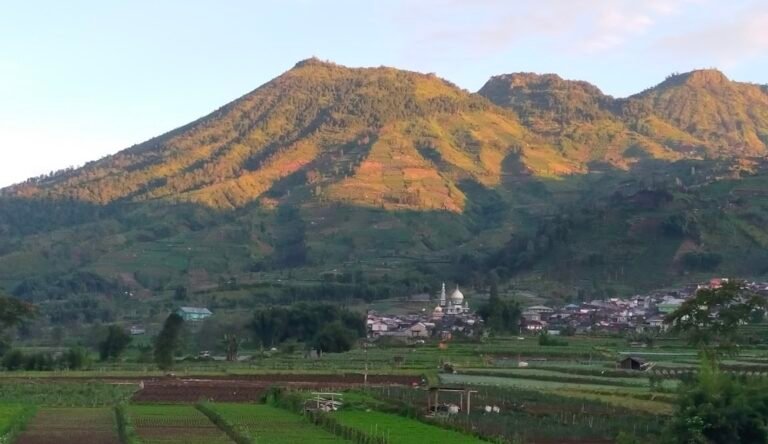
Hot, humid, and wet in bursts. The rain arrives in heavy showers, often with little warning, and then stops. Some days are grey from dawn to dusk. Most are not. Humidity is the constant, and it is what makes the season feel heavier than the temperature suggests.
Plan around the shower, not the season. Put the outdoor sight in the morning, when it is cooler and the light is better. Keep the afternoon flexible, and treat a downpour as the reason to be inside a museum or a market rather than a disaster. Pack a light poncho, not an umbrella, and shoes that grip wet stone.
What rain changes on a yogyakarta tour
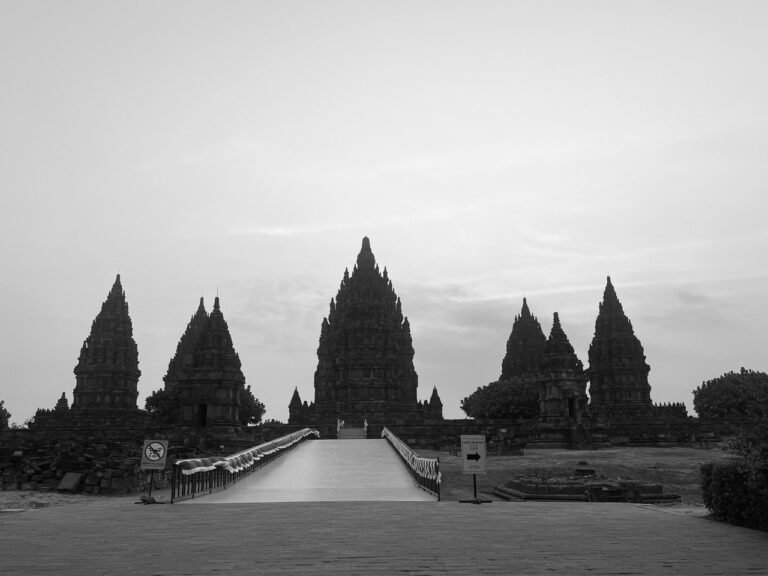
Very little closes. Borobudur’s area is open 06:30 to 16:30, and the sunrise slot starts around 04:30. Prambanan’s ticket desk runs 06:30 to 17:00 with the area open 07:00 to 17:30, and the three main temples close on Mondays. The Kraton keeps Tuesday to Sunday, 08:30 to 14:30, and Taman Sari runs 09:00 to 15:00 with last entry at 14:30.
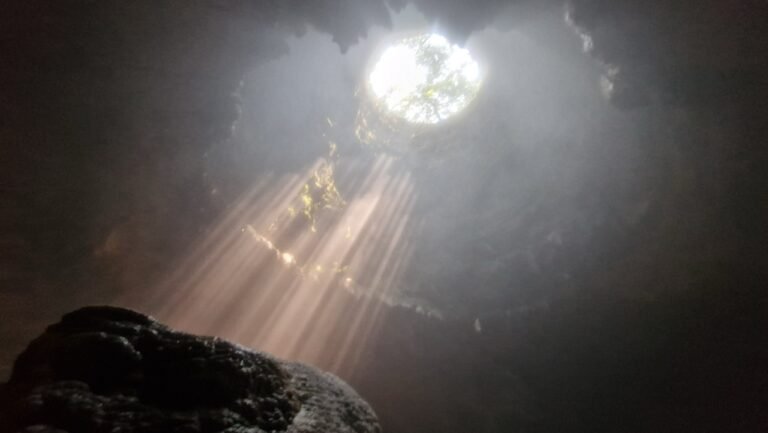
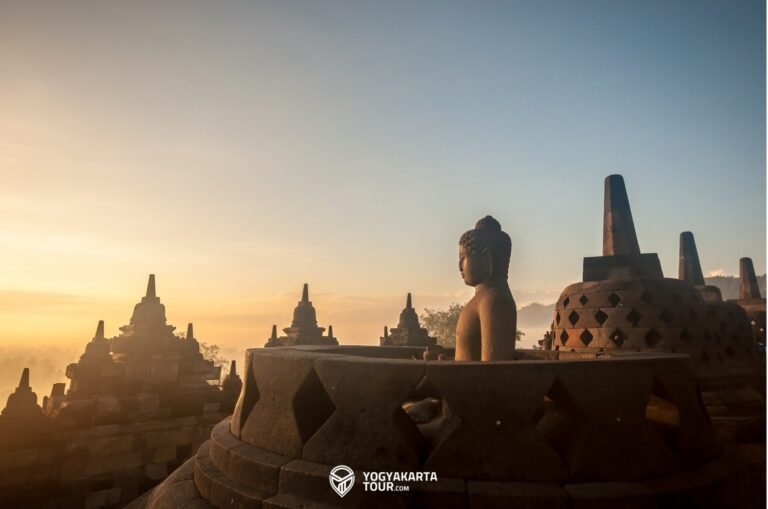
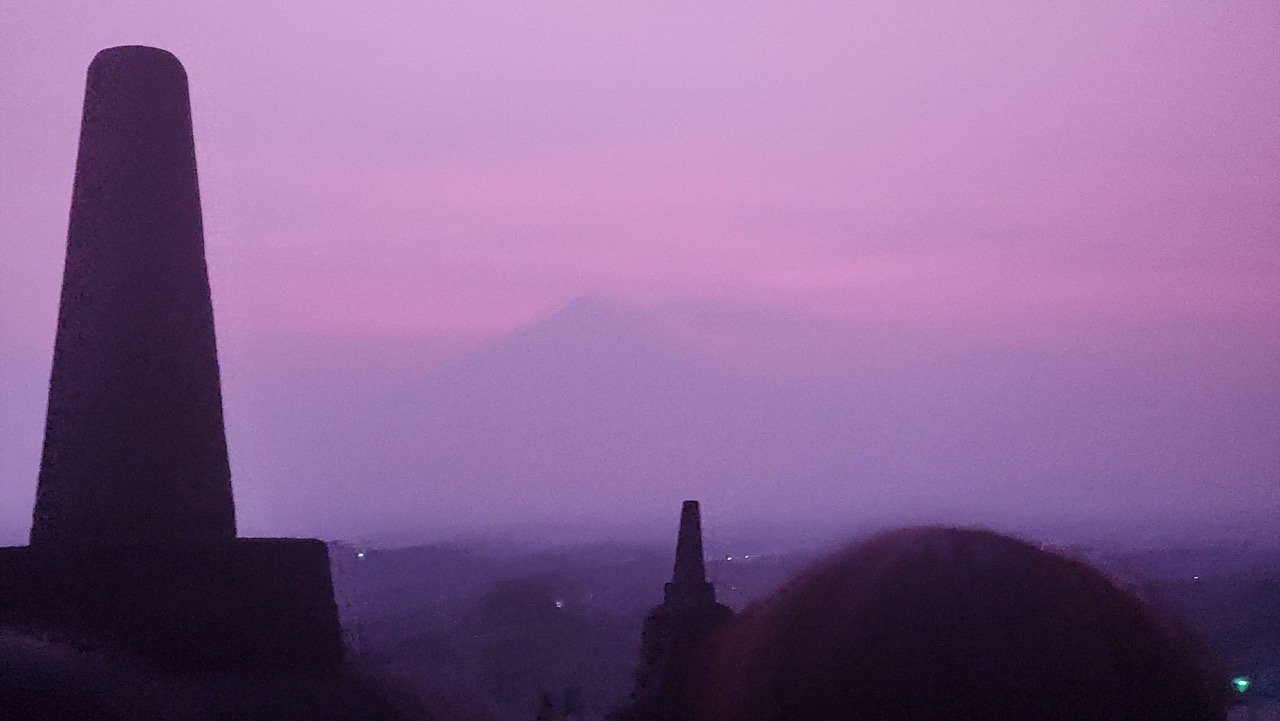
What the rain takes is the view. A cloudy sunrise at Borobudur is still a sunrise visit, but the light does not arrive. The same is true of the light beam at Jomblang. The trip runs, the photograph does not.
Jomblang cave in the wet season
Jomblang is 60 km from the city, roughly two hours each way, and the visit is built around a 60 m rope descent into a collapsed sinkhole. The beam falls roughly between 10:00 and 12:00, and the daily quota is around 200 people.
This is the one trip where rain can genuinely end the day. Water in the cave, mud on the approach and a vertical descent are a judgement call for the crew, and they make it on the morning. If they call it off, that is the right call. Ask before you book whether the policy is reschedule first or refund, and put the cave early in your trip so a lost morning has somewhere to go.
Even on a day the trip runs, a grey sky means no beam. The cave is still dramatic. It is not the postcard. Our Jomblang cave guide covers the descent and the timing in more detail.
Temples in the rain
Borobudur and Prambanan are stone, steps and open platforms. Wet stone is slippery, and the ascent at Borobudur is a staircase, not a ramp. Go early, take your time on the steps, and keep one hand free. A poncho beats an umbrella on a narrow staircase, and a dry bag for the phone costs less than a replacement.
There is an upside. Wet season mornings at the big temples are quieter, and mist around the stupas photographs better than flat blue sky. If you want the temple without the crowd and you can live without the perfect sunrise, this is the season for it.
Indoor and covered alternatives
The wet season is when the Ramayana Ballet moves into the Trimurti theatre at Prambanan, from November to April, and performs Tuesday, Thursday and Saturday at 19:30. It is the one major evening activity that rain cannot touch, and it only happens in this season.
- The Kraton. Pavilions, a collection and a lot of roof. Closed Monday.
- Taman Sari. Open 09:00 to 15:00, last entry 14:30. Some of it is underground and covered.
- Beringharjo market. Batik, snacks and a roof, in daylight.
- The Merapi museum in Kaliurang. A sensible stop on a wet volcano day, and the jeep tours run from the same area.
- Malioboro after 17:00. Best in the evening anyway, and easy to retreat from when the rain starts.
The case for the low season
November to March is the quietest stretch of the year, and quiet has its advantages. The Jomblang quota is easier to get. The 04:30 sunrise slot is not fought over. Guides and drivers have time, and a private car does not feel like a favour. Hotels are more willing to work with you on dates.
You also get the indoor Ramayana, which travellers in July cannot see. Add the mist on the stupas and the space at Prambanan, and the season has a case that the forecast does not make.
How to plan a wet-season day
Anchor the morning outdoors. Borobudur, Prambanan or the cave, whichever is fixed, goes first. Keep the afternoon for something with a roof: the Kraton, the market, the museum, or a long lunch. Leave the evening open for Malioboro or the ballet.
Then add two rules. Do not schedule the cave on your last day. And ask every operator the same question: if it rains, what happens? The answer tells you more about the company than the photos do. Our Yogyakarta tour packages are built around morning starts for exactly this reason, and Yogyakarta tours and packages lists the shorter city days for the afternoons when the sky opens. If you are still choosing dates, read the best time to visit Yogyakarta.
Frequently asked questions
Do temples close when it rains?
No. Borobudur and Prambanan keep their normal hours in the wet season. Only the Monday closure at Prambanan’s three main temples is a fixed rule.
Is the sunrise worth it in the wet season?
Sometimes. You may get mist, you may get cloud. If the sunrise is the main reason for your trip, book a spare morning.
Can I still do Jomblang in November?
Often yes, but the crew decides on the day. Book it early in your trip so a cancellation can move rather than end your plans.
What should I pack for a rainy season tour?
A light poncho, shoes with grip, a dry bag for your phone and one warm layer for a 04:30 start. Umbrellas are awkward on temple stairs.
Is the Ramayana Ballet indoors all wet season?
Yes, from November to April it performs at the Trimurti theatre. From May to October it is open air.