The best time to book is the day your dates stop moving. That is not a brush-off. Two things sell out on a yogyakarta tour and neither can be bought later at any price: the Borobudur sunrise slot and the daily quota at Jomblang cave. This guide covers how far ahead to book for the dry season, the holidays and Lebaran, how prices move, and what last-minute really looks like in Yogyakarta.
The two limits that set the calendar
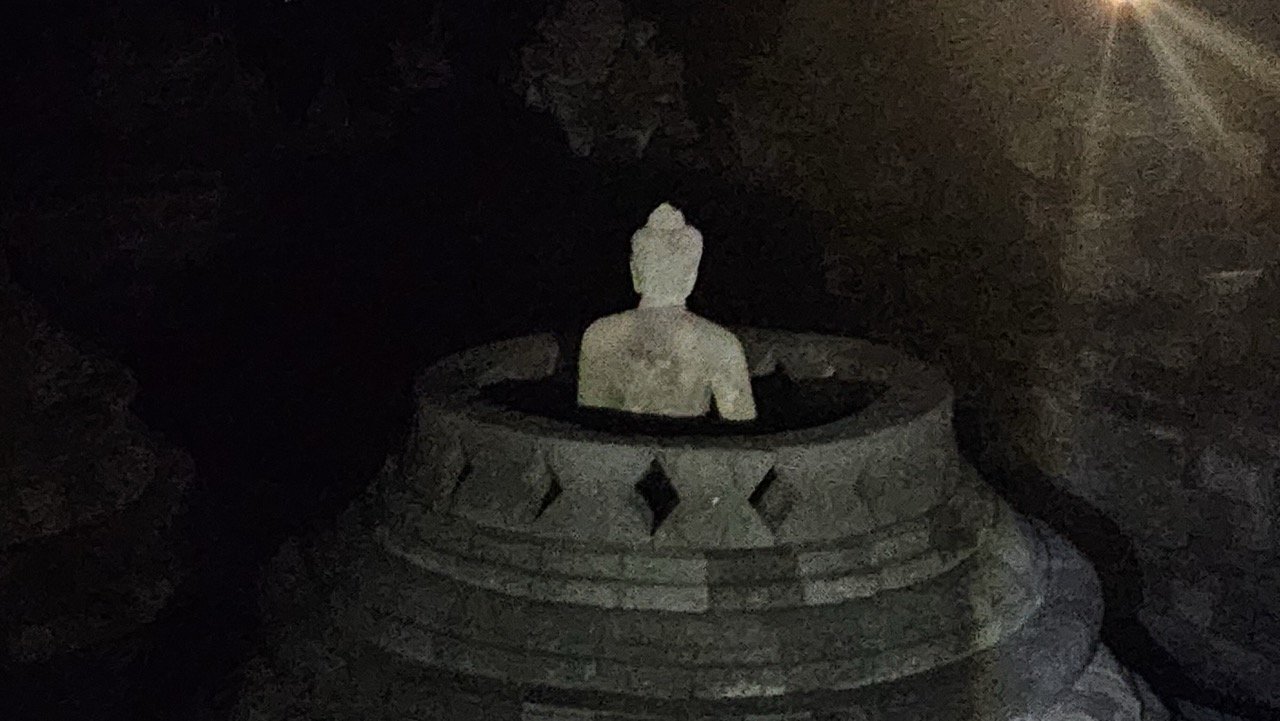
The Borobudur sunrise is a separate early slot, starting around 04:30, before the temple area opens at 06:30. It is not the same product as a normal ticket, and it cannot be joined at eight in the morning. If the sunrise is the reason you came, that slot is the thing you are booking.
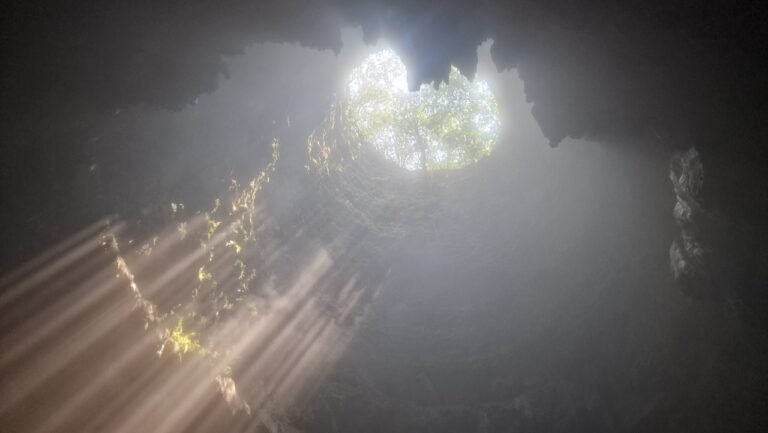
Jomblang is the second limit. The cave is about 60 km away, roughly two hours each way. Entry runs on a daily quota of around 200 people, the descent is 60 m on a rope, and the light beam falls roughly between 10:00 and 12:00. Sun and queue set that day. You cannot arrive late and wait for a better beam.
How far ahead to book a yogyakarta tour
Split the decision in two. Fixed-window days are the sunrise, the cave, and the Merapi jeep run, which picks up between 03:45 and 04:30 and takes five to six hours. Book those the moment your dates are firm. If you are still choosing between two weeks in July, book the sunrise before you commit to the flight, not after.
Flexible days are the other half: a Prambanan afternoon, a Kraton morning, Malioboro after 17:00. A day or two is normally enough, and there is no advantage in booking them months out. You may even want to keep them open so you can move them around the weather.
The principle is simple. Book the parts the calendar can take away from you. Leave the parts you can move.
Dry season, May to September
This is the window most travellers want. Skies are clearer, the sunrise has a better chance, and the cave beam is not fighting cloud. Demand follows, so the two constrained slots fill first and the good hotels go with them. If your trip sits inside the dry season and depends on one sunrise, treat the booking as urgent.
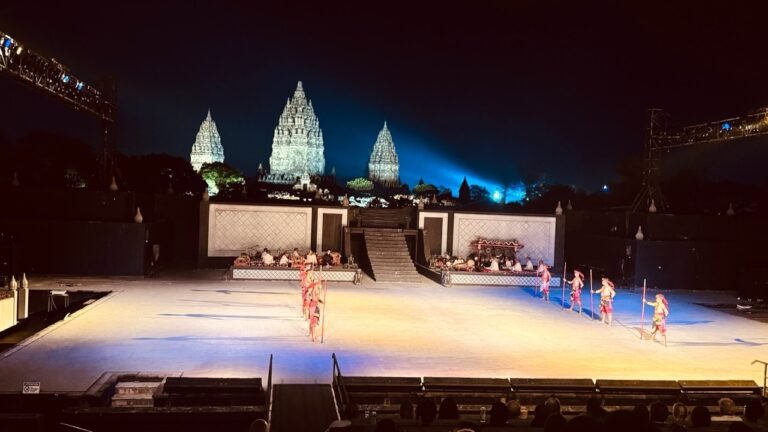
The dry season is also when the Ramayana Ballet performs in the open air at Prambanan, from May to October, on Tuesday, Thursday and Saturday evenings. Those are three nights a week, not seven, which is another reason the calendar matters more than the price.
Rainy season, November to March
The wet season is the easier booking and the better value, if you can accept the trade. Fewer people compete for the Jomblang quota and the sunrise slot. The Ramayana moves indoors to the Trimurti theatre from November to April, so a wet evening does not cancel the show.
What you give up is certainty of view. Cloud can hide the sunrise, and the cave crew can call off a descent after heavy rain. Book the cave day early in your trip so it has room to move, and keep a spare morning if the trip is built around one sunrise.
Holidays, long weekends and Lebaran
Indonesian domestic travel is the factor foreign travellers underestimate. Long weekends and school holidays fill hotels and roads, and Lebaran, the end of Ramadan, is when domestic travel peaks. The date shifts about eleven days earlier each year on the Gregorian calendar, so check the year you are travelling rather than assuming last year’s date.
Around Lebaran, book transport and tours early and confirm your driver for the exact dates, not just the car. Prices on multi-day trips are quoted per itinerary, so a holiday week changes the total as well as the availability.
Why the price moves
Day tours are published as starting prices, which is why you see “from USD 90” rather than a flat rate. Multi-day trips are quoted per itinerary: hotel class, group size and season all change the total. Two travellers in the same week can pay different amounts and both be quoted correctly.
That is the reason to ask for a quote rather than a rate. The number depends on what you are actually booking.
Last-minute reality
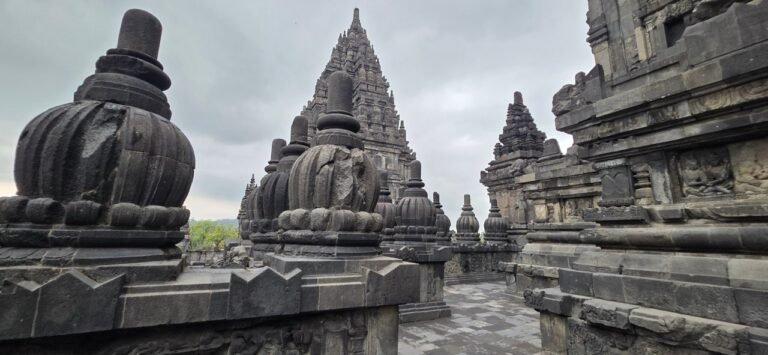
If you are already in Yogyakarta, some things are easy and some are not. A weekday Prambanan visit is usually available at short notice, since the site is open 07:00 to 17:30 and only the three main temples close on Mondays. The Ramayana is tighter: three nights a week, four seating classes, and late booking usually means a worse class rather than no seat.
The sunrise and the cave are the two that do not improvise. There is a finite slot and a finite quota, and being in town does not create one. If the sunrise is full, the temple still opens at 06:30, and a normal morning visit is a good second choice. It is just not the same thing.
When you are ready, the Yogyakarta tour packages page shows what each day includes, and Yogyakarta day tours is the place to start if you have not chosen one. For the seasonal picture in more detail, read the best time to visit Yogyakarta.
Frequently asked questions
How far ahead should I book the Borobudur sunrise?
As soon as your dates are fixed. The slot is separate from a normal ticket and starts around 04:30, so it is the first thing to lock in.
Is it cheaper to book in the rainy season?
Availability is easier and there is less competition for slots, which is the real saving. Ask for a quote for your dates rather than assuming a seasonal rate.
Can I book a tour after I arrive?
For city days and Prambanan, often yes. For the sunrise and Jomblang, only if a place is left, and the quota is the limit.
Do I need to book the Ramayana Ballet early?
It runs on Tuesday, Thursday and Saturday at 19:30, with four seating classes. Booking early is about getting the class you want more than getting a seat at all.
What if my dates fall during Lebaran?
Book earlier than you would otherwise, and confirm the driver for the exact dates. Domestic travel peaks and the good options go first.