July and August are the busiest months for a Yogyakarta tour, and for good reason. These are the driest weeks of the year, the light is clean, and half of Indonesia plus a good share of Europe is on holiday. The trade-off is simple: you get the best conditions of the year and you share them with everyone else. A little planning decides whether that means a smooth trip or an hour in a queue at 05:30.
Why July and August are peak season for a Yogyakarta tour
The dry season runs from May to September. By July the rain has mostly stopped, the rice fields are gold or newly cut, and the sky over Merapi is clearer than at any other time of year.
The calendar does the rest. Indonesian school holidays fall in this window, and so do the long European summer breaks. Families book the temples and the caves, coach groups arrive mid-morning, and hotel rates in the centre sit at their annual high.
Crowds at Borobudur and how to work around them
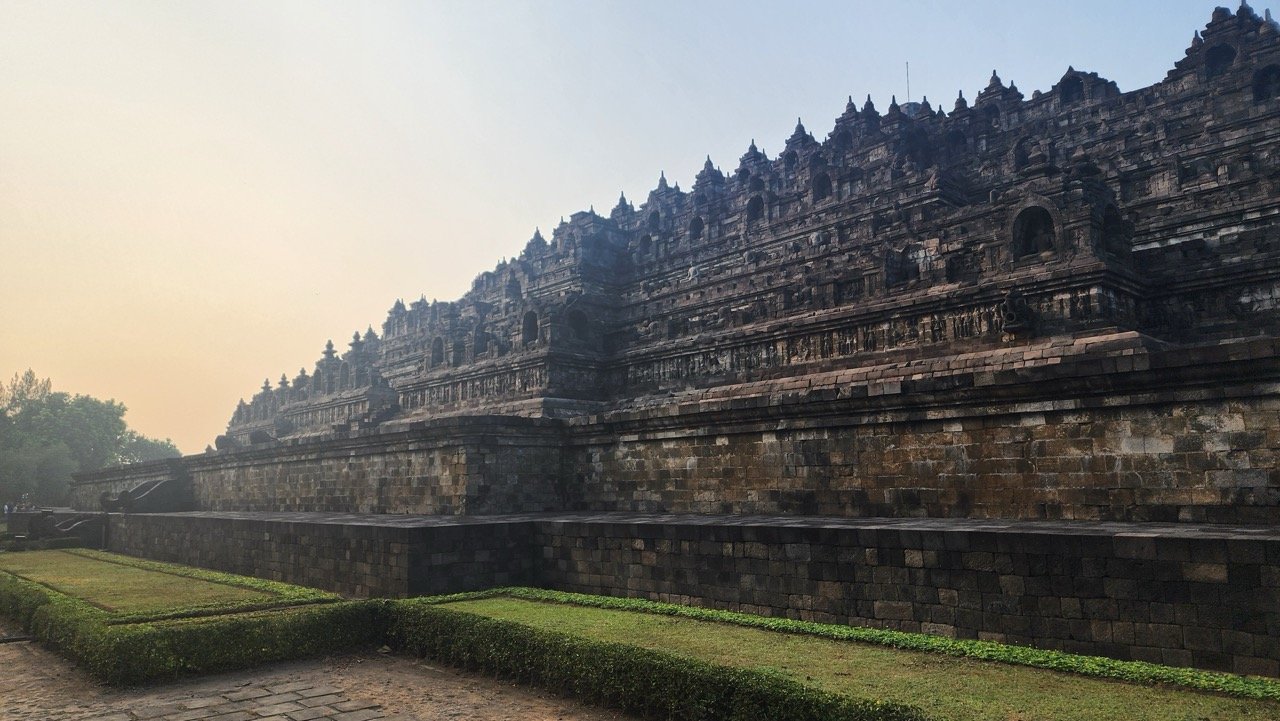
Borobudur is about 40 km from the city, roughly an hour by car, and the temple area opens at 06:30. By 08:30 the first coach groups are on the terraces, and by 10:00 the narrow stairways are hard to climb in either direction.
The counter-intuitive fix is to arrive with the sunrise crowd and leave as the coaches pull in. The separate sunrise entry starts around 04:30, before the gates open to the public, and the temple is at its quietest in the half hour after first light. If you skip sunrise, take the 06:30 opening and be back in the car by 08:00.
August adds another layer: the Independence Day holiday falls mid-month and fills the city with domestic visitors. Book the sunrise slot for a weekday rather than a weekend if you have the choice.
Sunrise slots and booking lead time
The sunrise slot is a separate early entry with its own ticket, around 04:30, and it is the first thing to sell out in July and August. Book before you leave home rather than on arrival. The same applies to hotels near Malioboro and to the Ramayana Ballet, which performs Tuesday, Thursday and Saturday.
Our sunrise tours start at USD 90. The version with cycling and Prambanan starts at USD 138, and Borobudur sunrise with the Merapi lava tour from USD 150. Those prices do not rise with demand, but the departure times and the guide slots do fill.
If you are building a multi-day trip, fix the sunrise morning first and let the rest of the itinerary move around it. Multi-day trips are quoted per itinerary, and in high season the hotel class matters more to the total than the number of days.
Prambanan and the evening ballet
Prambanan is about 17 km east, roughly 45 minutes from the centre. The ticket desk runs 06:30–17:00 and the temple area stays open until 17:30, which makes the last hour the best of the day: low sun on the stone, long shadows, and fewer people than at noon.
The three main temples are closed on Mondays. Plan around that, because a Monday visit gives you the outer courtyards and not much else.
The Ramayana Ballet runs 19:30–21:00 on Tuesday, Thursday and Saturday, outdoors from May to October, which covers both months. In the dry season the open-air stage is the one to take, and the seats sell out on weekends. A combined Prambanan and ballet package with dinner starts at USD 147.
Heat, dust and the cave day
July and August are hot and dry, and the dust is real. The tracks around Merapi and the access road to Jomblang cave throw up fine volcanic dust, which coats everything in the back of a jeep. A buff or light mask is worth packing, and so is water, more than you think.
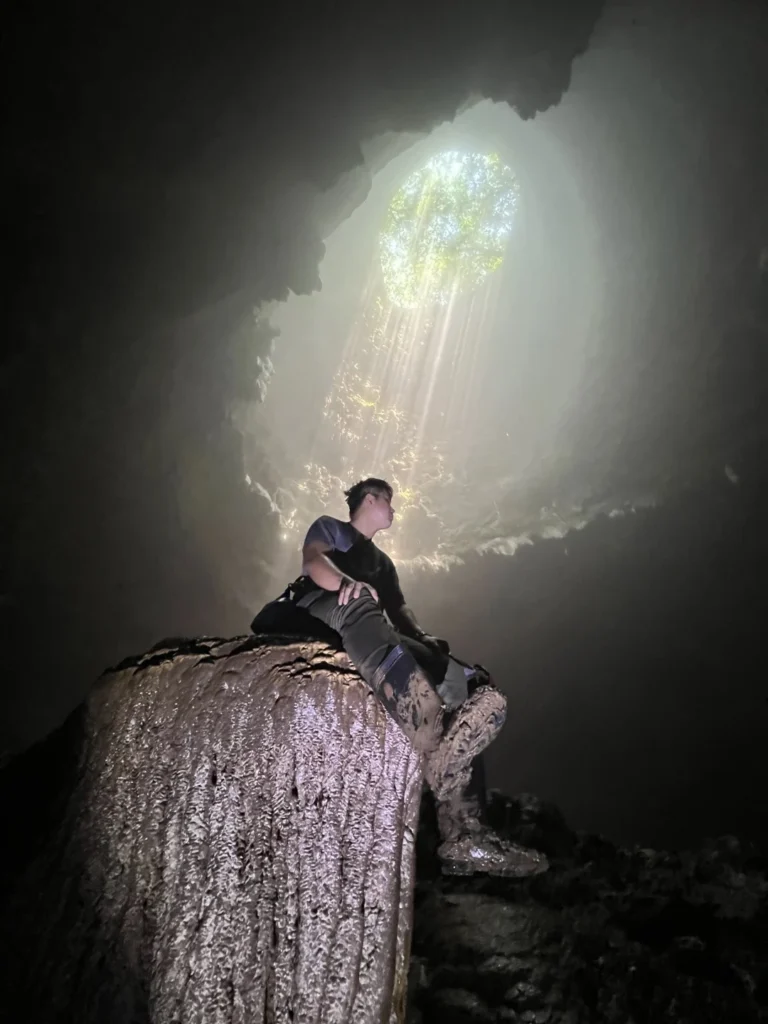
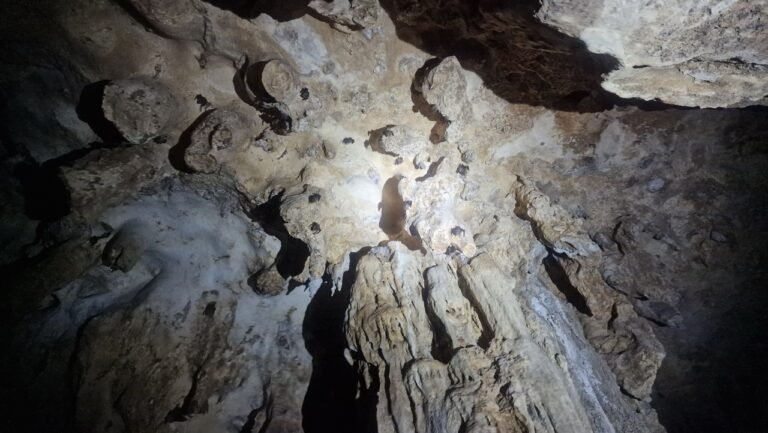
Jomblang is the exception to the heat. The cave is about 60 km away, roughly two hours by road, and the 60 m rope descent drops you into cool, damp air. The light beam comes through the sinkhole roughly between 10:00 and 12:00, and the daily quota is around 200 people, which is why the cave day needs booking in peak season. Wear shoes you do not mind ruining, because the floor is mud.
Merapi sunrise jeeps pick up between 03:45 and 04:30 and take five to six hours door to door. Start that early and you are back before the worst heat.
Prices and what a busy month changes
Tour prices are fixed in US dollars. A Jomblang cave day starts at USD 90, Jomblang with Pindul from USD 105, and Jomblang with Prambanan from USD 115. Merapi sunrise with Prambanan starts at USD 120.
What changes is availability and hotels. Rooms cost more in July and August than in the shoulder months, and the cheapest categories disappear first. Restaurants near the temples get slower, drivers need more time between stops.
A peak-season plan with quiet edges
Build the days around the two quiet windows: before 08:00 and after 16:00. Temple in the early morning, back to the hotel for a long lunch and a swim, then out again for Prambanan at sunset or Malioboro after 17:00. The middle of the day is for air conditioning, the Kraton (08:30–14:30, closed Monday) or a market.
Keep one day free of fixed times. In peak season a slow road or a full car park can eat two hours, and a buffer day absorbs it without ruining the trip.
When you are ready, compare the private Yogyakarta tours and the fixed departures on the Yogyakarta tour packages page, and read the Borobudur guide before you commit to a sunrise date.
Frequently asked questions
How crowded is Borobudur in July and August?
Busy, especially from 08:30 onward when coach groups arrive. The sunrise slot and the 06:30 opening are much quieter, and a weekday beats a weekend.
Do I need to book the sunrise slot in advance?
Yes. It is a separate early entry with limited places and it sells out in these months. Book before you travel, and pick a weekday if you can.
Is the heat a problem on tour days?
It is manageable if you start early and rest at midday. Carry more water than you think you need, wear a hat, and expect dust on the Merapi and Jomblang days.
Is August busier than July?
Both are full. August carries the Independence Day period and the tail of the European holidays, so the city and the temples stay busy right through the month.
Can I visit Prambanan on a Monday?
The site is open but the three main temples are closed on Mondays. Choose another day if the main shrines are the reason you are going.
What about the Ramayana Ballet in the dry season?
It performs outdoors from May to October, Tuesday, Thursday and Saturday at 19:30. Book seats ahead for weekend shows.