Yogyakarta vs Bali is a comparison that gets settled too fast. Bali wins on beaches. On culture, the contest is closer than either island’s marketing suggests. Java gives you a royal city with two major temple sites within an hour of your hotel. Bali gives you a living Hindu culture threaded through a resort economy. Which one fits depends on how much of the day you want to spend in a car.
We sell Yogyakarta tours, so treat the Bali side of this comparison as a set of questions to test rather than a verdict. What follows sticks to what we can state plainly and leaves Bali’s numbers to people who live there.
Yogyakarta vs Bali on temples: two kinds of visit
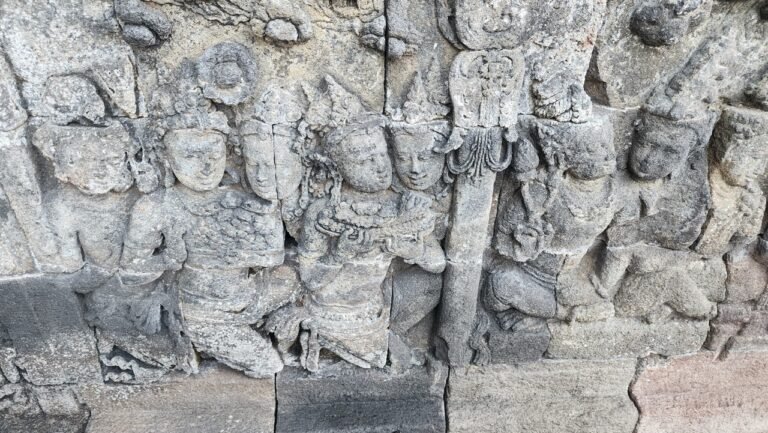
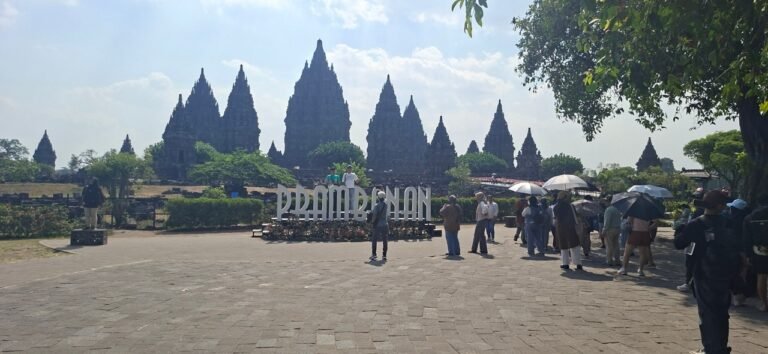
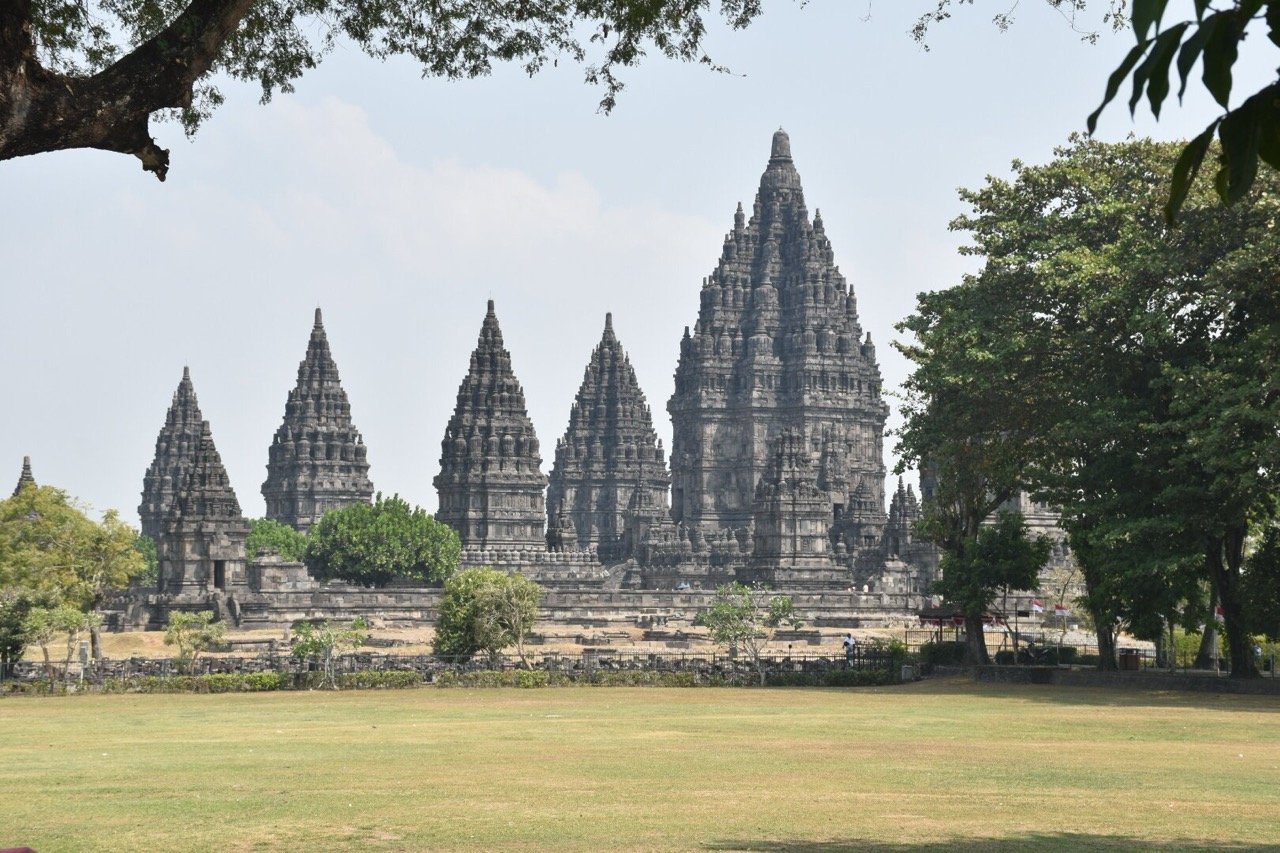
Borobudur is a Buddhist monument about 40 km from the city, roughly an hour by car. Prambanan is a Hindu temple complex about 17 km east, roughly 45 minutes. Both charge foreign visitors around IDR 400,000, and Borobudur’s sunrise access is a separate early slot that starts around 04:30.
The visit itself is a walk, and at Borobudur a climb. You arrive, you buy a ticket, you move through a conserved site with fixed hours, then you leave. Prambanan’s three main temples are closed on Mondays, so even the calendar is a museum calendar.
Bali’s temples are places of worship first. That is the real difference. You may be asked to wait, to cover up, or to come back because a ceremony is taking over a courtyard. Some travellers find that alive and moving. Others find it unpredictable, and unpredictable is expensive when you have three days.
Dance and performance
Yogyakarta’s evening calendar is easy to plan around. The Ramayana Ballet at Prambanan runs Tuesday, Thursday and Saturday, 19:30 to 21:00. It is open air from May to October and indoors at the Trimurti theatre from November to April. Tickets are separate and come in four classes: VIP, Special, Class I and Class II.
Bali’s dance is harder to pin down. Performances happen in temple courtyards and in hotel gardens, and the quality varies with the venue. If you want one fixed evening, well signposted, with a lit temple behind it, Yogyakarta is simpler. If you want to stumble into a ceremony with a gamelan that nobody rehearsed for visitors, Bali is where that can happen.
Food
Yogyakarta eats local. Gudeg is the city’s signature dish, sweet and slow cooked, and the street stalls around Malioboro start working after 17:00. Beringharjo market is the daytime stop for snacks and batik. A good meal is a few dollars, and the best ones are served at plastic chairs.
Bali’s food scene is shaped by a much larger foreign population: more western menus, more vegetarian choice, higher prices in the busy southern corridors. Yogyakarta is the harder place to be a fussy eater and the better place to eat what people actually eat.
Cost
Yogyakarta is cheap once you are on the ground. Temple entry is around IDR 400,000 at either site. The Kraton asks from around IDR 15,000. Malioboro costs nothing. Tours are priced in USD: USD 90 for a Borobudur sunrise trip, USD 138 with cycling and Prambanan added, USD 147 for Prambanan with the ballet and dinner.
Bali’s costs sit in a different frame and we will not quote figures we have not checked. The useful question is what your money buys. In Yogyakarta a modest budget covers both big temples, a driver and a room near the centre. In Bali the same budget depends heavily on where you sleep, and the southern beach areas are the expensive end.
Crowds
Borobudur’s coach traffic peaks mid morning, which is exactly why the sunrise slot and the 06:30 opening earn their alarm. Prambanan is quieter after 15:00. The city itself rarely feels crowded, though Malioboro at 20:00 is busy in a local, family way.
Bali’s crowds concentrate in the south and around the best known temples. If you want a temple photograph without fifty people in it, Java at opening time is the easier bet.
Transport and the shape of a day
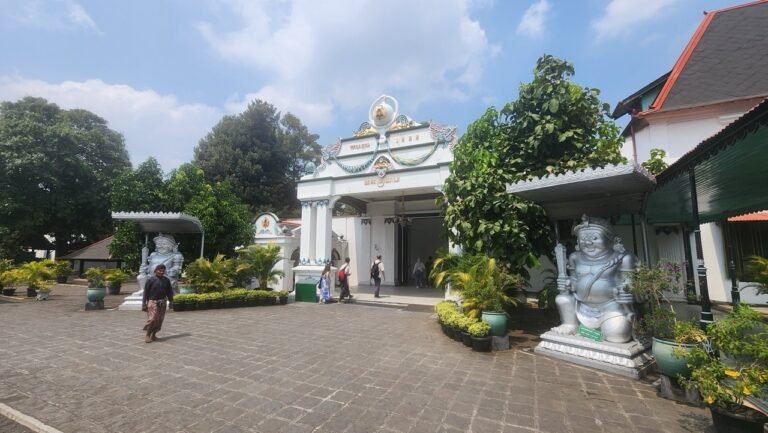
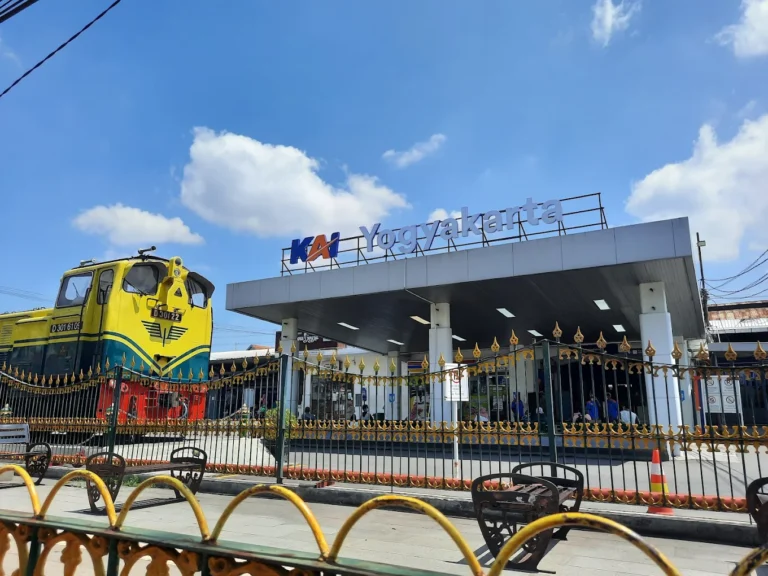
Yogyakarta is compact. The airport is about 45 km from the centre, 35 to 40 minutes on the KAI Commuter train or 60 to 90 minutes by taxi. From a central hotel, the Kraton, Taman Sari and Malioboro are a short ride apart. Borobudur is an hour out, Prambanan 45 minutes, Merapi about an hour to Kaliurang, Jomblang about two hours. The best time to visit Yogyakarta guide covers which months make those drives comfortable.
Bali is a bigger island with slower roads, and a day trip there can eat the day before you reach the temple. Check the real drive time for each site, not the distance on a map. The practical argument for Yogyakarta is that the culture sits close together.
Who should pick which
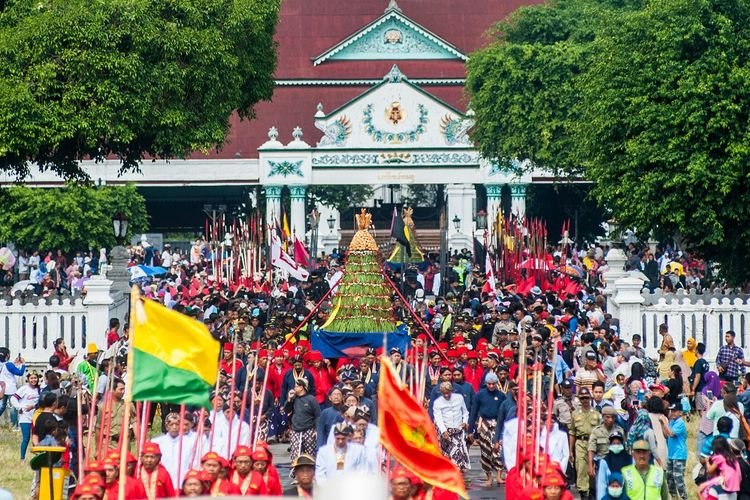
Pick Yogyakarta if you want a dense cultural trip. Two major temple sites within an hour, a royal palace, a water castle, a dance calendar you can book, and a city you can walk at night. Add the sunrise if you have the stamina.
Pick Bali if you want culture and coast in the same week and you are happy to let the island set the pace. Pick both if you have ten days. Start with three days of temples, dance and street food in Yogyakarta, then fly to Bali for the beach half.
If you go with Yogyakarta, start with Yogyakarta tour packages for the day trips and compare Yogyakarta tour packages if you want the temples, the ballet and the volcano handled as one booking. The city centre guide covers the walkable half of the trip.
Frequently asked questions
Is Yogyakarta or Bali better for culture?
Yogyakarta packs more monument-level culture into a smaller area, with Borobudur and Prambanan within an hour of the city. Bali offers living Hindu ceremony and dance that is harder to schedule but more immediate.
How many days do I need in Yogyakarta?
Three days covers both temples and the city centre. Five days adds Jomblang cave, a second sunrise and a slower evening at the ballet.
Can I combine Yogyakarta and Bali in one trip?
Yes. Three days in Yogyakarta followed by a flight to Bali is a common split. Do the temples first while you have energy, then rest on the coast.
Is Yogyakarta cheaper than Bali?
Yogyakarta is cheap on the ground: temple tickets are around IDR 400,000, the Kraton from around IDR 15,000, and meals a few dollars. Tour prices are in USD, from USD 90 for a sunrise trip.
Do I need to dress differently at Borobudur and Prambanan?
Both are outdoor heritage sites with stairs and open ground. Loose clothing, a hat and shoes you can climb in matter more than modesty rules, though covering shoulders is never wrong.