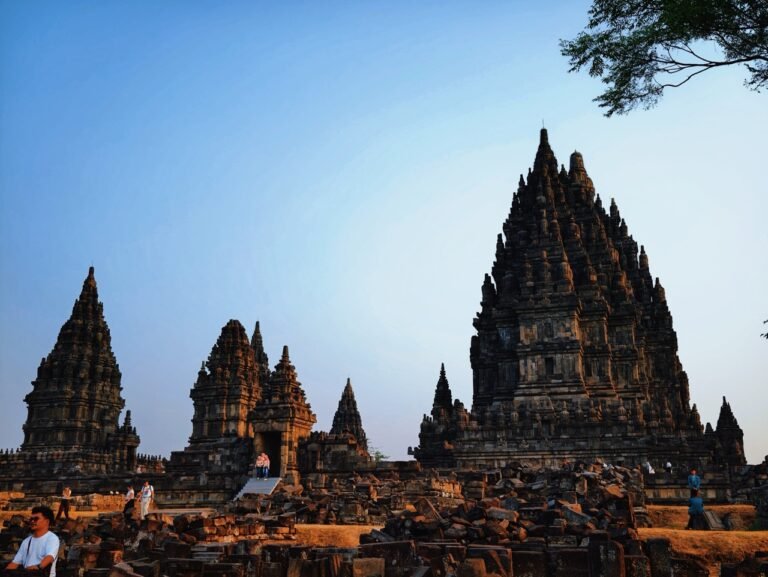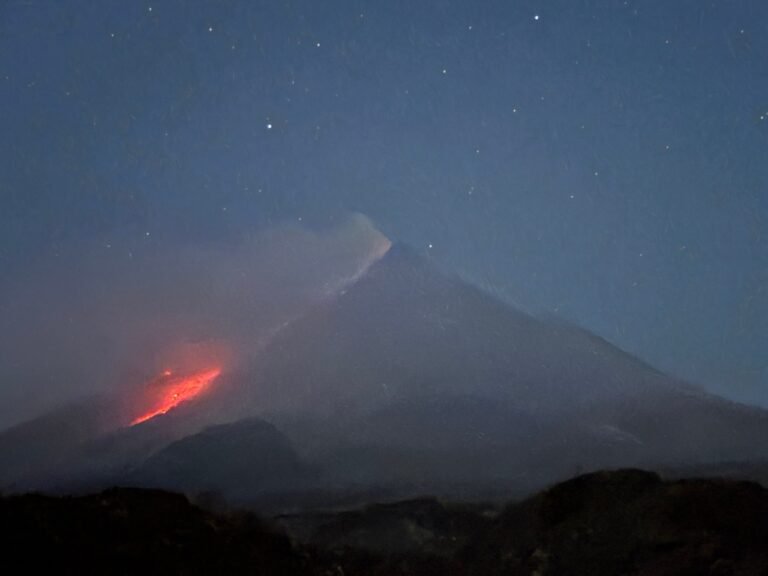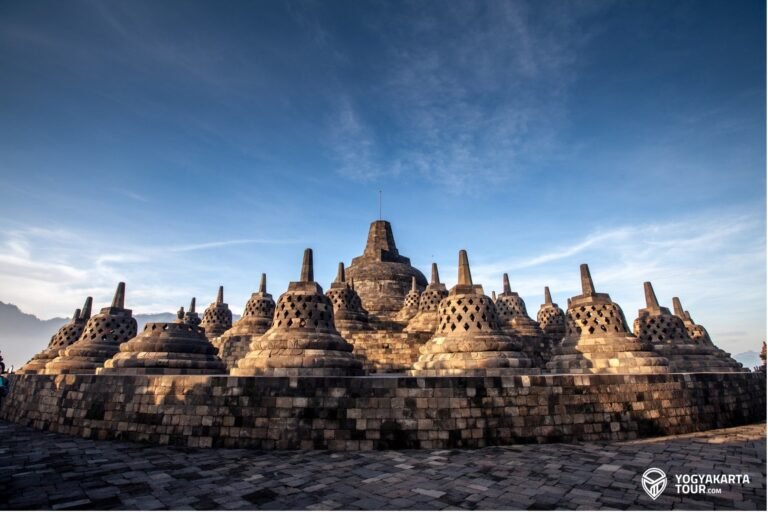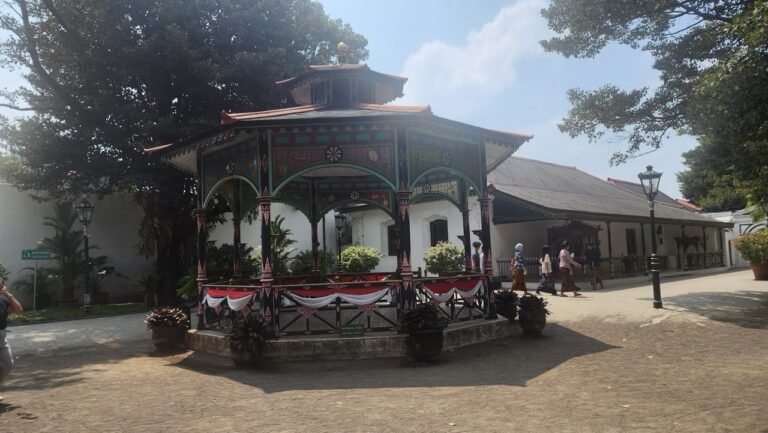
A Yogyakarta packing list is shorter than most people expect and more specific than most packing advice allows. You need very little for a city of cafes, air-conditioned rooms and short drives, plus a handful of things that decide whether a temple morning and a volcano sunrise actually work. This list is built around how a tour day runs, not around what fits in a suitcase.
Clothing for temples and hot days
Days are hot and humid, and most of them involve walking on stone in direct sun. Loose, light clothing in cotton or a quick-dry fabric is the practical choice. Bring two pairs of trousers or a long skirt, several t-shirts, and one light long-sleeve shirt that doubles as sun protection.
Javanese temples expect shoulders and knees to be covered. That is the rule at the Kraton and at both big temple sites, so a light scarf and trousers that reach the knee solve it without a wardrobe change. Avoid tight synthetic fabrics; you will be climbing steps and sweating through them by mid-morning.
One light layer is worth packing for the evening. The Ramayana Ballet at Prambanan plays in the open air from May to October, and a seat after dark can feel cool once the day’s heat has gone.
Shoes for Merapi and temple steps
Bring closed shoes with grip, not sandals. The temple sites are stone staircases, worn smooth in places, and the steps at Borobudur are steep enough that flip-flops are a bad idea. Prambanan is flatter but still stone under a hot sun.
The Merapi jeep day is mostly sitting, but you get out at stops where the ground is dust and dirt rather than pavement. Trainers or light walking shoes handle both the temples and the volcano, which means one pair instead of two.
Add a spare pair of socks and a plastic bag for dirty shoes if the wet season catches you. Wet shoes on a temple morning are a small misery that is easy to avoid.
Rain gear and sun protection
The dry season runs May to September and the wet season November to March. In the wet months, rain tends to arrive in a heavy burst rather than a grey day, so a packable rain jacket earns its space. An umbrella works in the city and is awkward on an exposed temple terrace in wind.
Sun protection matters more than most people plan for. Bring a hat with a brim, sunglasses and sunscreen, and reapply at lunch. The upper terraces at Borobudur are open to the sky, and the walk back to the car park is longer than it looks.
Medications and the small health kit
Bring what you take at home, in the original packaging, with the prescription if you have one. Add a stomach remedy, rehydration salts and plasters, since a new cuisine and a new pair of shoes are the two most common complaints on a first trip.
Insect repellent is useful for evenings, especially outside the city. If you take a daily medication, pack a few days extra in your hand luggage rather than the checked bag, and keep it out of the heat.
What to leave behind
Leave the heavy camera bag, the jewellery and the third pair of shoes. Temple days involve stairs, dust and a car boot, and everything you carry has to be carried by you. A single shoulder bag that zips is more useful than a suitcase full of options.
Leave the drone unless you have checked the rules for each site in advance. Leave the formal clothes. Leave anything you would be devastated to lose, including the spare credit card you will not use.
The yogyakarta packing list, item by item
Print this or copy it into your phone. It covers a three to four day trip with two temple days and one volcano morning.
- Two pairs of light trousers or a long skirt, plus shorts for the hotel.
- Three or four t-shirts and one long-sleeve shirt.
- A light scarf for shoulders, useful on temple days and in air conditioning.
- Trainers or light walking shoes, already broken in.
- A packable rain jacket and a small dry bag for the phone.
- Hat, sunglasses, sunscreen.
- Rehydration salts, stomach remedy, plasters, personal medication.
- A refillable water bottle and a small daypack.
- Power bank, adapter, and a copy of your passport photo page.
- Cash in rupiah for tickets, snacks and becak fares.
Packing for a 04:00 start
Two of the best mornings in Yogyakarta begin before the city wakes. The Borobudur sunrise slot opens around 04:30, and the Merapi jeep pickups run from 03:45 to 04:30. Lay out everything the night before: shoes by the door, jacket on the chair, ticket on the phone, cash in the pocket.
Hotel breakfast will not be open at that hour on most mornings, so pack a snack and a bottle of water. Keep the bag small enough to sit on your lap in the car, because you will be half asleep and nobody wants to repack at the gate.
The guide to the best time to visit explains how the seasons change what you pack, and the Borobudur visitor guide covers the climb and the timings in detail. When you are ready, browse private Yogyakarta tours or compare the Yogyakarta tour packages for a trip that includes the early starts.
Frequently asked questions
What should I wear to Borobudur and Prambanan?
Light clothing that covers your shoulders and knees, plus comfortable shoes for the stone steps. A light scarf is the easiest way to cover up without changing your outfit.
Do I need hiking boots for Merapi?
No. The jeep tour is mostly driving, and trainers with grip are enough for the stops. Boots are only worth the luggage space if you plan a proper trek.
How much rain gear do I need in the wet season?
A packable jacket is enough for most days. Rain usually comes in a short heavy burst, so you are more likely to wait it out than walk in it for hours.
Can I buy toiletries and sunscreen in Yogyakarta?
Yes. Pharmacies and convenience stores in the city stock the basics, so you do not need to carry a full supply. Bring your specific medication from home.
Should I bring a power adapter?
Yes, if your plugs do not fit Indonesian sockets. A small power bank is also useful for long days when you are taking photos and using the phone as a map.
What should I leave at the hotel?
Passport, spare cards, jewellery and anything heavy. Carry a copy of your passport and the cash you need for the day.