A Yogyakarta food tour is not a restaurant crawl. The best food in this city is sold from carts, from front rooms, and from stalls that open for four hours and then close. Gudeg is a breakfast dish. Sate klathak is grilled over charcoal in a roadside shed. Wedang ronde belongs to the evening, when the air cools and the carts wheel out near the alun-alun. Knowing the clock matters as much as knowing the address.
What a Yogyakarta food tour covers
A good route moves through three or four neighbourhoods in a day and eats at the hours locals eat. Breakfast near the Kraton, a market in the middle of the day, a grilled skewer stop in the afternoon, and something warm and sweet after dark. You will not need a taxi for most of it.
Prices are in rupiah, and the food is cheap. A full plate of gudeg or a dozen skewers usually costs a few dollars. Bring small notes, because a street stall will struggle to change a large bill.
Gudeg, the dish that defines the city
Gudeg is young jackfruit stewed for hours with palm sugar and coconut milk until it turns dark, soft and sweet. It comes with rice, a spoon of sambal krecek made from cow skin, and usually an egg or a piece of chicken. The sweetness surprises people. It is not a dessert, but it is not far off.
Eat it early. The good places start before dawn, sell out by midday, and close. The lanes around Wijilan, near the Kraton, are the classic address, and the Kraton’s own opening hours (Tuesday to Sunday, 08:30–14:30) make a gudeg breakfast and a palace visit an easy pairing.
Ask for gudeg without the egg and chicken if you want it vegetarian, and check whether the sauce was cooked with chicken stock. Many pots are.
Sate klathak and the charcoal grill
Sate klathak comes from Bantul, south of the city. It is goat or lamb, marinated in salt and coriander, skewered on a length of bicycle spoke and grilled fast over charcoal. The spoke conducts heat through the middle of the meat, so it cooks from the inside out and stays juicy.
It arrives with rice, a thin coconut sauce and sliced shallot. Order by the dozen, eat it hot, and do not expect a knife and fork. The roadside places open in the afternoon and fill up with families.
If you are squeamish about goat, this is the dish that changes minds. If you are not, order more than you think you want.
Wedang ronde after dark
Wedang ronde is ginger tea with glutinous rice balls, peanuts and a little sugar, served hot in a small bowl. It is sweet, peppery and exactly right at the end of a long day. The carts set up in the evening around Alun-Alun Kidul, where the LED pedal carts run, and near the night stalls on Malioboro.
Malioboro is free and best after 17:00, which makes it the natural end point of a food day: gudeg in the morning, sate in the afternoon, a bowl of ronde once the street lights are on.
Where to eat and what it costs
- Wijilan, near the Kraton: gudeg, morning to early afternoon.
- Beringharjo market: daytime snacks, cakes and batik, with a food court upstairs.
- Malioboro: from 17:00 onward, carts and warungs along the pavement.
- Alun-Alun Kidul: evening, ronde and grilled snacks.
- Bantul: sate klathak, best in the afternoon.
A street meal costs a few dollars. A sit-down restaurant with air conditioning costs more, and a hotel dinner costs several times the street price for food that is rarely better.
Drinks and the bill
Warungs serve sweet tea, bottled water and sometimes fresh lime. Coffee is strong and heavily sugared unless you ask for less. The local curiosity is kopi joss, black coffee served with a piece of burning charcoal dropped into the glass, and it is worth one order for the theatre alone.
Bills are small and cash is normal. Some places take QR payment, but a street cart will not, so keep rupiah coins and small notes.
Staying well: food safety without paranoia
Yogyakarta’s street food is generally safe when it is busy. A cart with a queue is turning its stock over, which is what you want. A stall with nobody at it at peak hour is a stall with old food.
Drink bottled water, be careful with ice from unknown carts, and eat fruit you have peeled yourself. The usual precautions are enough for most stomachs. Carry oral rehydration salts, and do not plan a long drive the morning after an ambitious dinner.
Vegetarians do well here, as long as you ask. Tempeh, tahu, sayur lodeh and gado-gado are easy to find. Pecel and some sambals contain shrimp paste, so say no terasi if that matters to you.
Fitting food around a tour day
A sunrise tour leaves around 04:00 and returns to the city by mid-morning, which lands you at the gudeg stalls at exactly the right hour. Eat a proper breakfast, then go easy at lunch.
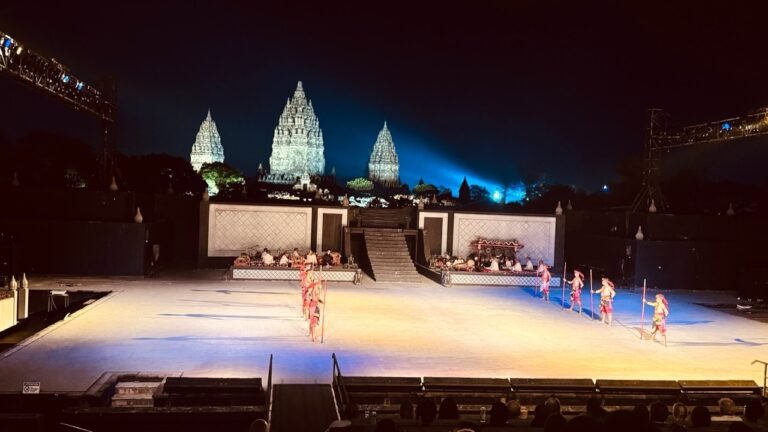
If you are on the Prambanan and Ramayana Ballet package, dinner is included before the 19:30 show, so eat light at midday and save room. The show ends at 21:00, and the streets around Malioboro are still busy when you get back.
During Ramadan the whole schedule shifts. Gudeg is still a morning dish, but the busy hours move to the evening, and iftar is the meal to plan around.
Tell your driver what you want to eat and they will build the day around it. The Yogyakarta tours and packages can include a market stop and a food detour, and the Yogyakarta tour packages show which days leave room for a long lunch. For the city’s eating neighbourhoods in more detail, start with the city centre guide.
Frequently asked questions
Is Yogyakarta street food safe for visitors?
Mostly, yes. Eat where locals are queuing, drink bottled water, and skip ice from carts you do not trust. Carry rehydration salts just in case.
What time should I eat gudeg?
Morning. The best places open early and sell out by midday, so treat it as breakfast rather than dinner.
How much does a food tour cost?
Street food is cheap, a few dollars a dish. A guided food tour with transport and several stops costs more, and depends on the itinerary and group size.
Are there vegetarian options?
Yes. Tempeh, tahu, gado-gado and gudeg without egg or chicken are widely available. Ask about chicken stock and shrimp paste if it matters.
Can I combine a food tour with a temple tour?
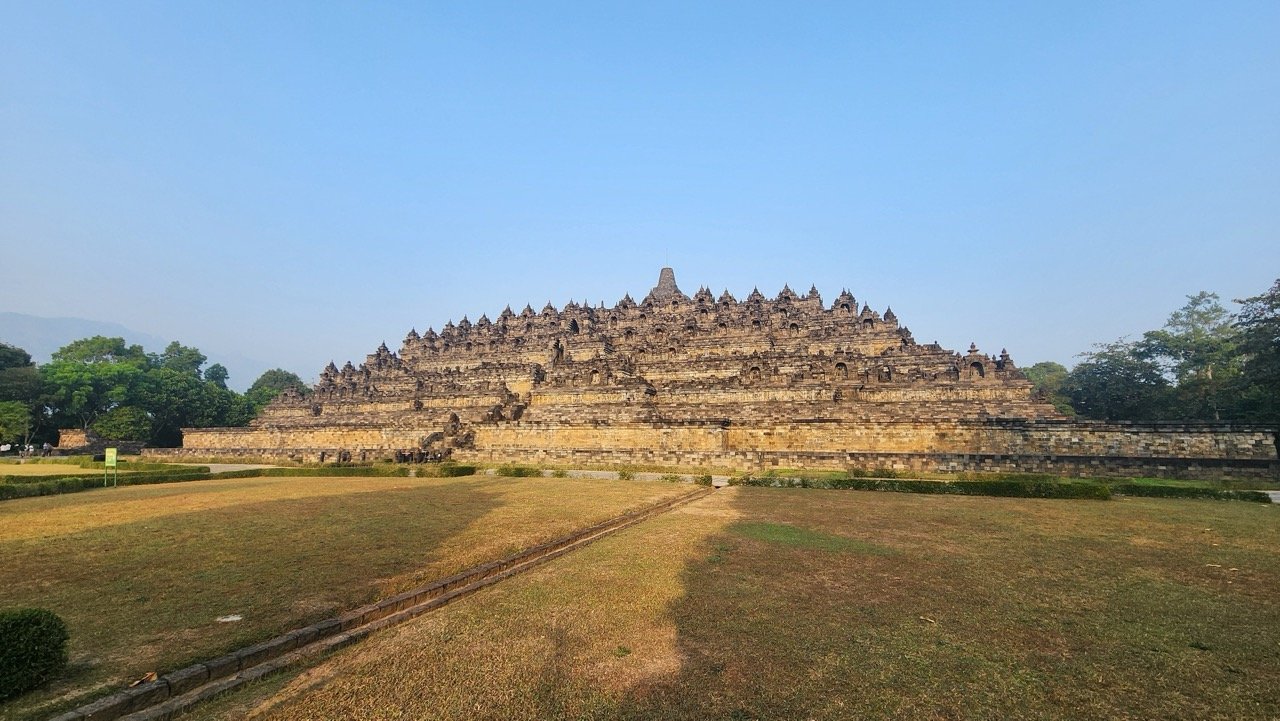
Yes, and it works well. Sunrise at Borobudur finishes in time for a late gudeg breakfast, and the evening is free for Malioboro.
Is the food halal?
Almost all of it. Pork is rare outside Chinese restaurants, and the default in warungs and street stalls is halal.